
Mango Sticky Rice Recipe
Mango sticky rice is ridiculously simple for something this good. You get warm, chewy coconut rice, cool slices of sweet mango, and that silky salted sauce poured all over the top. I’m a sucker for anything sweet and salty, so this combination gets me every time. And with a rice cooker, most of the work disappears.
What Makes This Mango Sticky Rice So Good
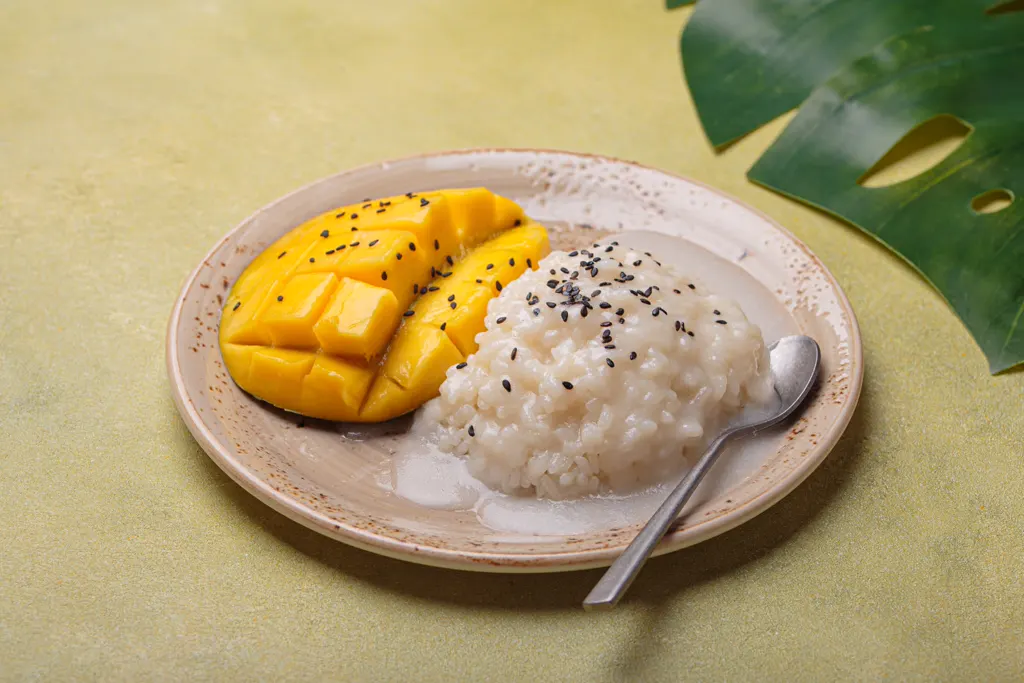
The texture gets me every time. You have warm, chewy rice, soft juicy mango, creamy coconut sauce, and a little crunch on top.
I also love that it never tastes overly sweet. That tiny bit of salt in the coconut sauce keeps everything balanced and makes the mango taste even better.
And despite how pretty it looks, this recipe is surprisingly easy. The rice cooker handles the hardest part, and the rest comes together with just a few simple ingredients.
Ingredients
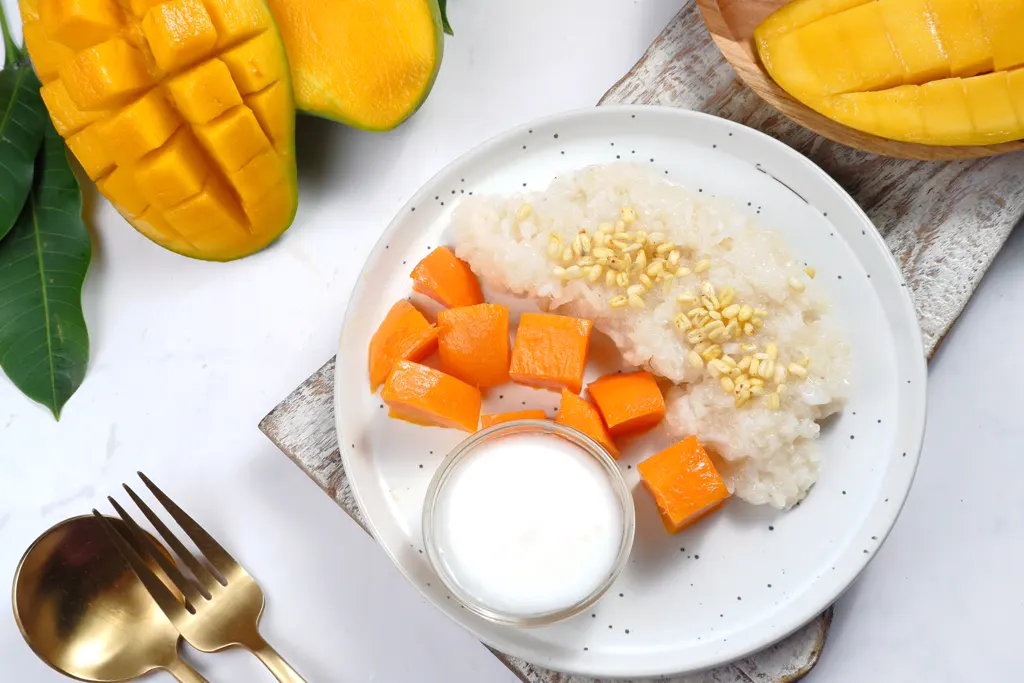
1 cup glutinous sweet rice: Do not swap this for jasmine rice. You need glutinous rice for that soft, chewy, sticky texture.
1 can (13.5 ounces) full-fat coconut milk, divided: Full-fat is the way to go. Light coconut milk just does not have the same creamy richness.
1/4 cup sugar: This goes into the coconut mixture that soaks into the rice.
2 tablespoons sugar: You’ll use this for the finishing sauce.
1/2 teaspoon salt, divided: It may look like a tiny amount, but don’t leave it out. The salt keeps all that sweetness in check.
2 ripe mangoes: Ataulfo or champagne mangoes are fantastic here. They’re sweet, smooth, and much less fibrous than some larger varieties.
1 teaspoon cornstarch: Just enough to give the coconut sauce a little body.
1 tablespoon water: Mix this with the cornstarch before it goes into the sauce.
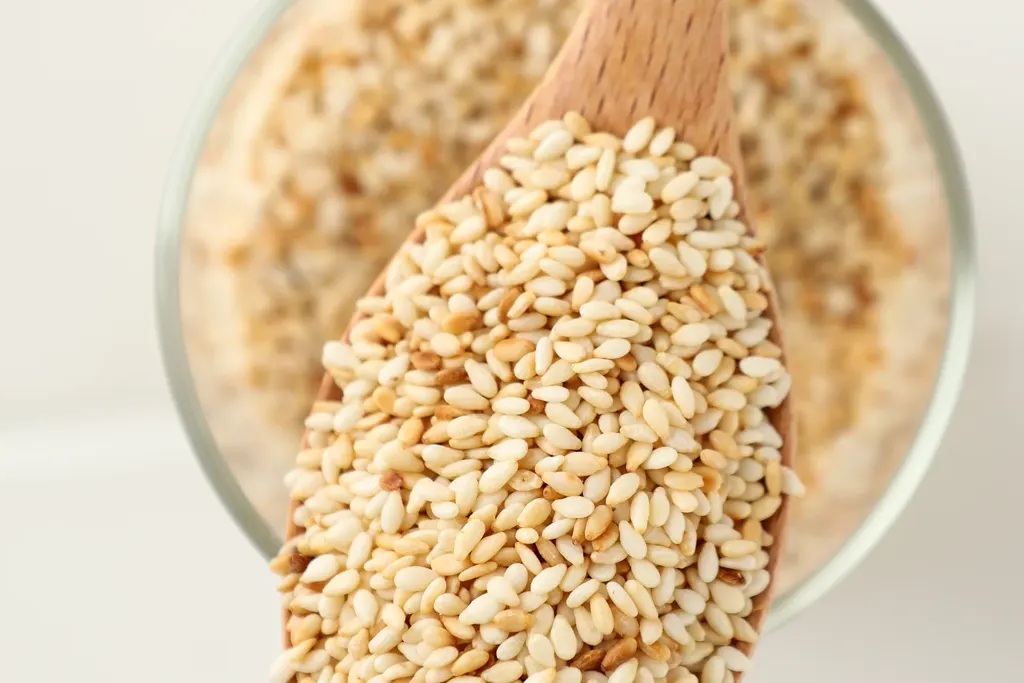
Toasted sesame seeds: They add a nutty little crunch that works beautifully with the creamy rice.
How to Make Mango Sticky Rice
1. Rinse and soak the rice.
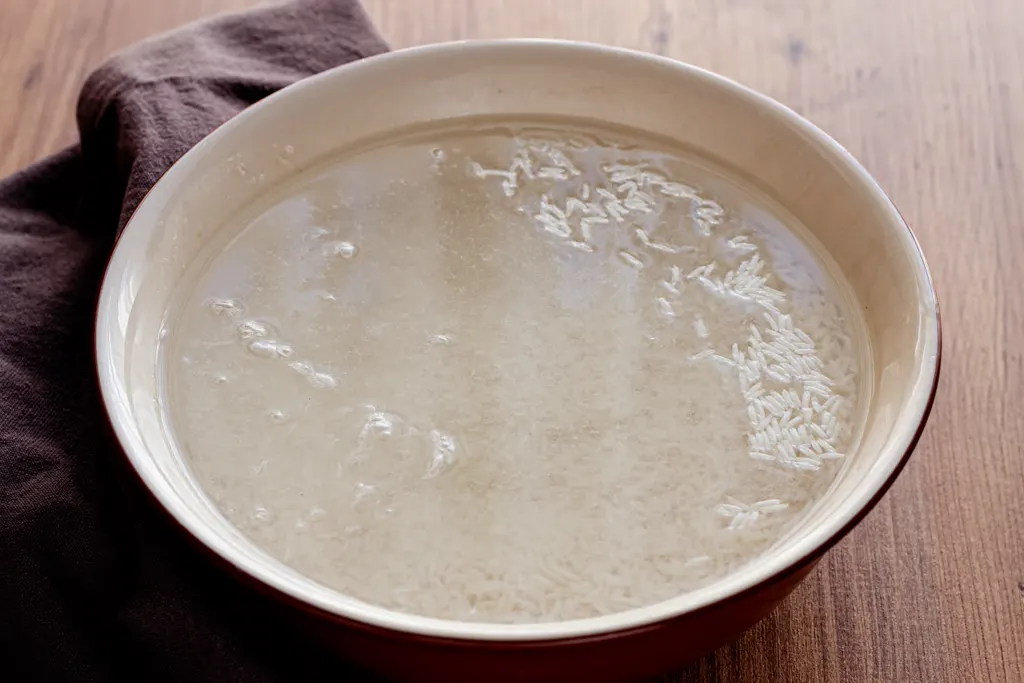
Start by rinsing the glutinous rice under cool water. Keep going until the water looks mostly clear.
Then cover the rice with fresh water and let it soak for at least 1 hour.
Yes, the soaking part matters. It helps the grains cook evenly and gives you that wonderfully chewy texture instead of rice with stubborn little hard centers.
2. Cook the rice.
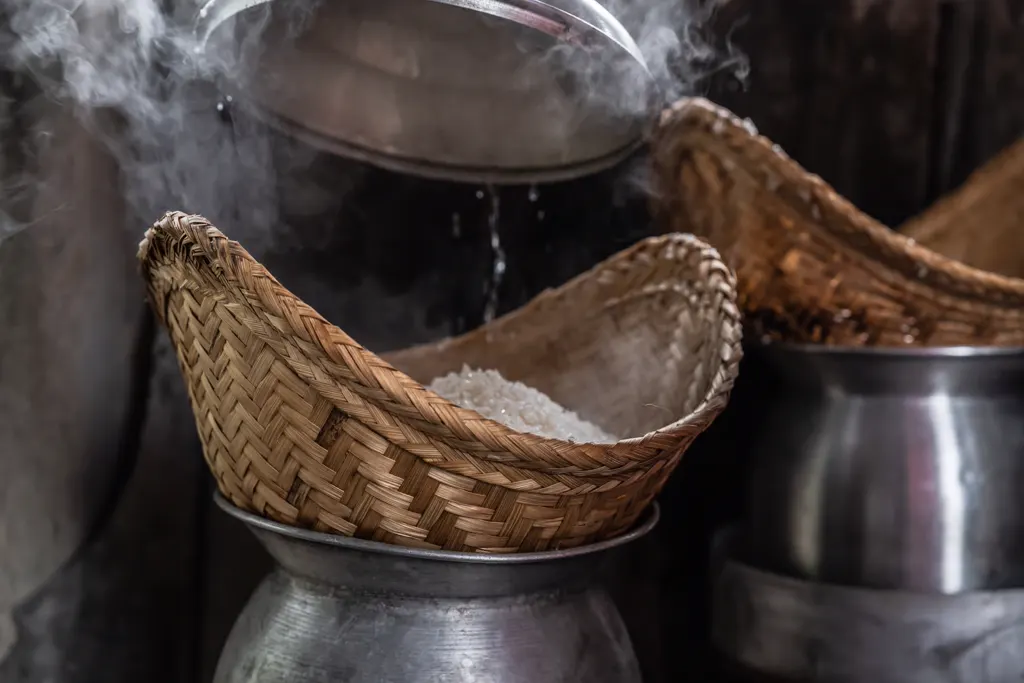
Drain the soaked rice really well, then add it to your rice cooker with 2/3 cup water.
Cook it on the regular rice setting and let the machine do its thing.
Traditional mango sticky rice uses steamed rice, and you can absolutely go that route. But if a rice cooker gets me to the same chewy, coconut-soaked goodness with less effort, I’m using it.
3. Make the sweet coconut mixture.
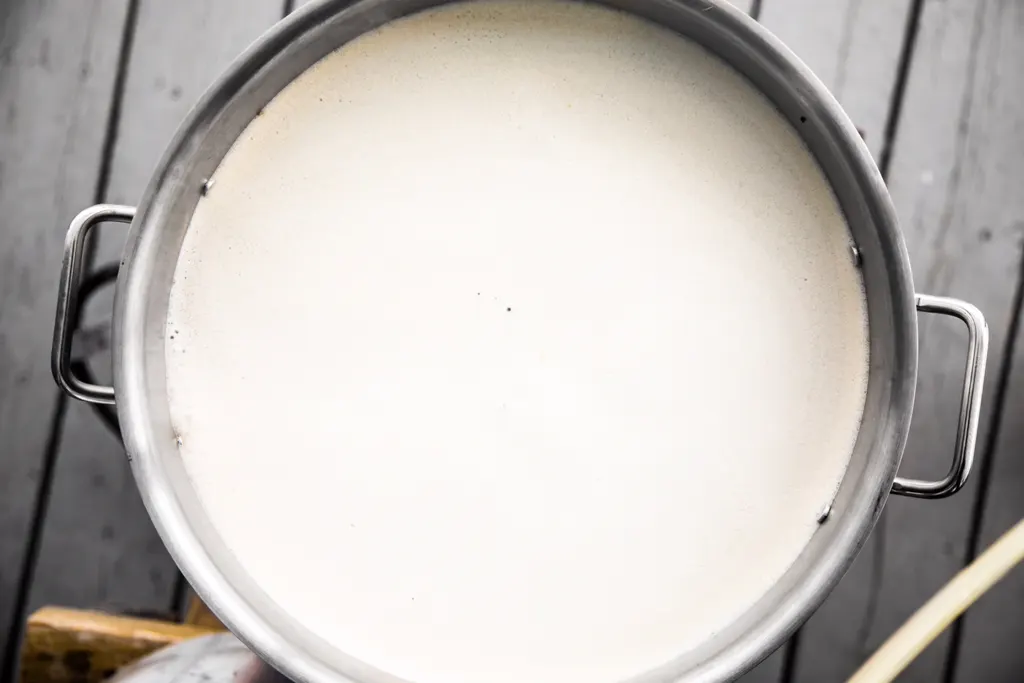
While the rice cooks, pour 2/3 cup coconut milk into a small saucepan.
Add 1/4 cup sugar and 1/4 teaspoon salt, then warm everything over medium-low heat. Stir until the sugar completely dissolves.
Do not crank up the heat. You’re not trying to boil the life out of the coconut milk. Just get it warm, smooth, and creamy.
4. Give the rice its coconut soak.
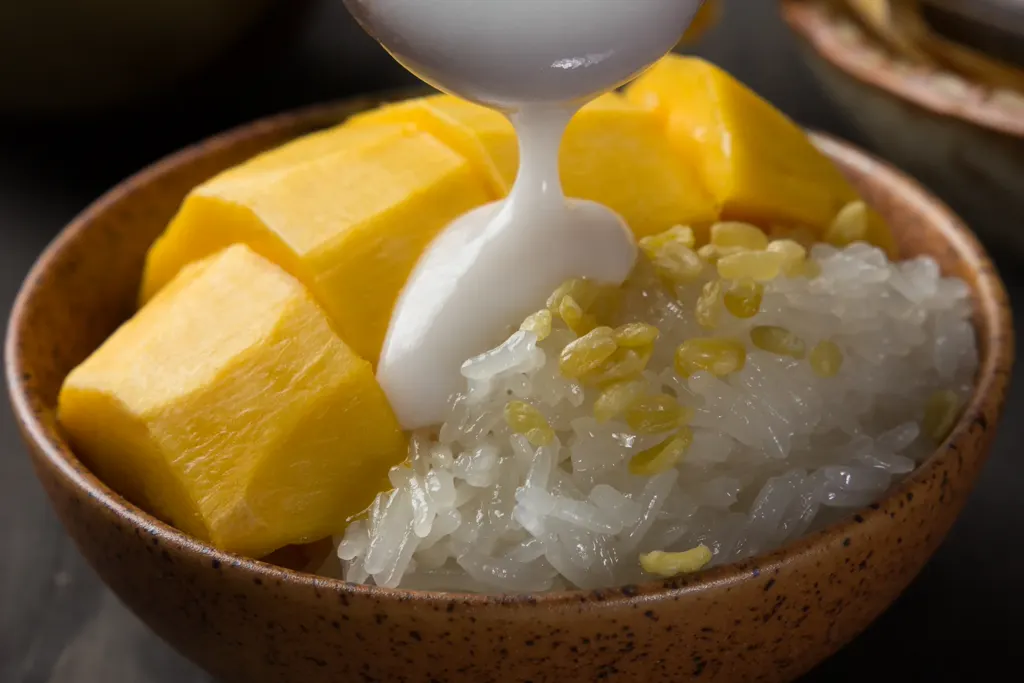
Once the rice finishes cooking, pour the warm coconut mixture right over it.
Gently stir so the coconut milk reaches all those sticky little grains. At first, you might think you added too much liquid.
You didn’t.
Cover the rice and leave it alone for about 20 minutes. It will soak up that sweet coconut milk and become glossy, tender, and almost creamy.
This is the part that takes plain sticky rice from good to very, very good.
5. Make the salted coconut sauce.
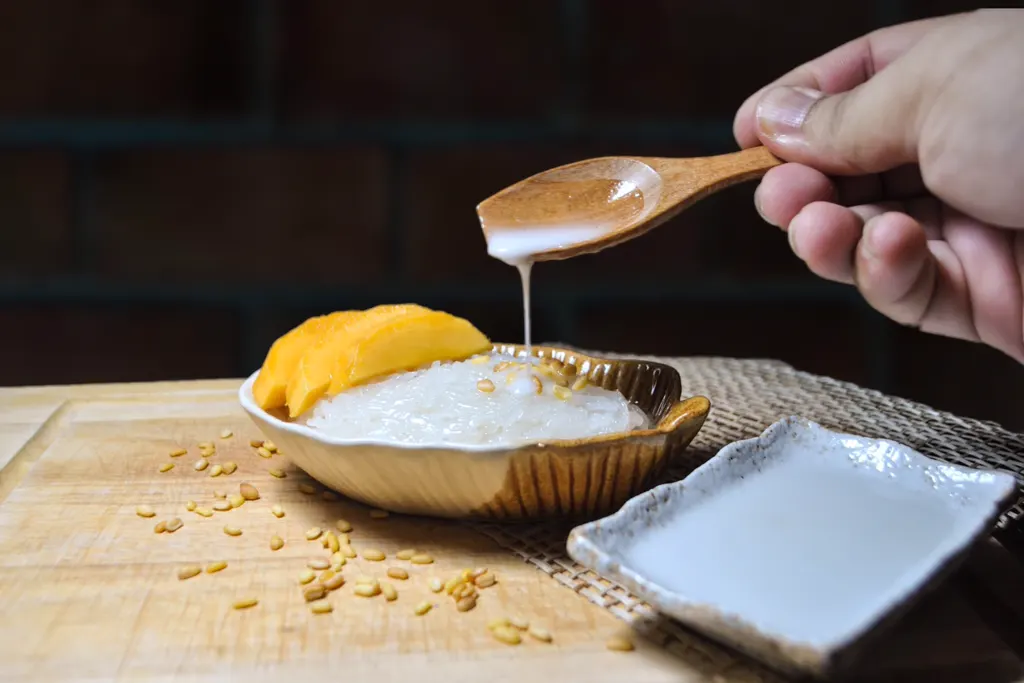
Now for my favorite part.
Pour the remaining coconut milk into a small saucepan with 2 tablespoons sugar and the remaining 1/4 teaspoon salt. Bring it to a gentle simmer.
Mix the cornstarch with 1 tablespoon of water, then stir it into the coconut milk.
Give it another minute or two over the heat. You want the sauce slightly thickened and silky enough to drizzle.
If it starts looking like pudding, you’ve gone too far. Keep it loose.
And please don’t skimp on the salt. That salty finish against the sweet mango is what makes the whole dessert work.
6. Slice the mangoes.
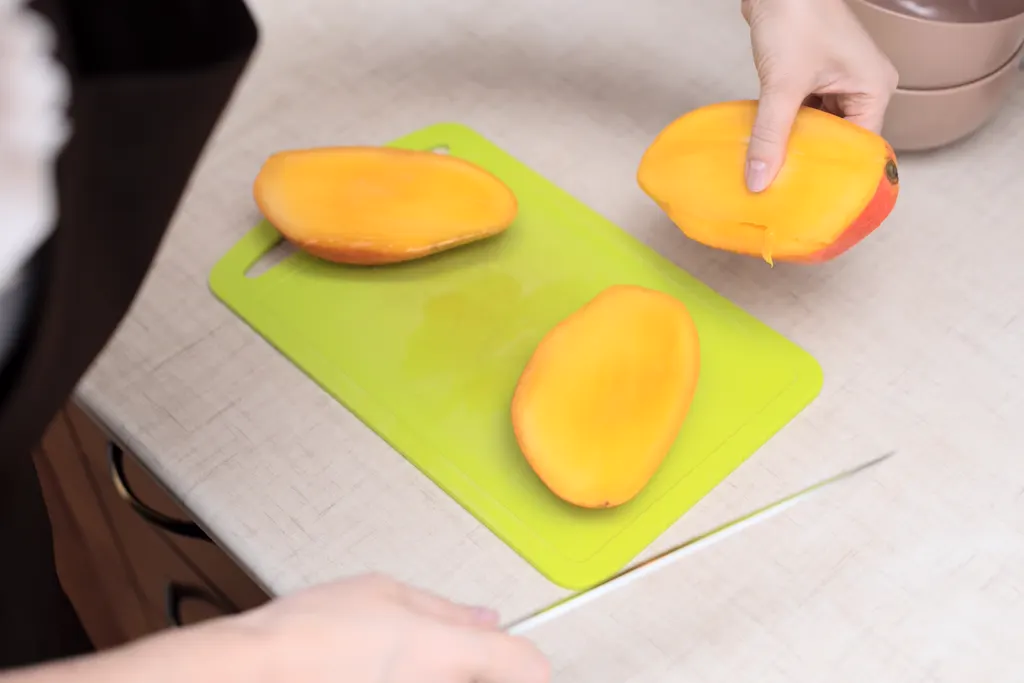
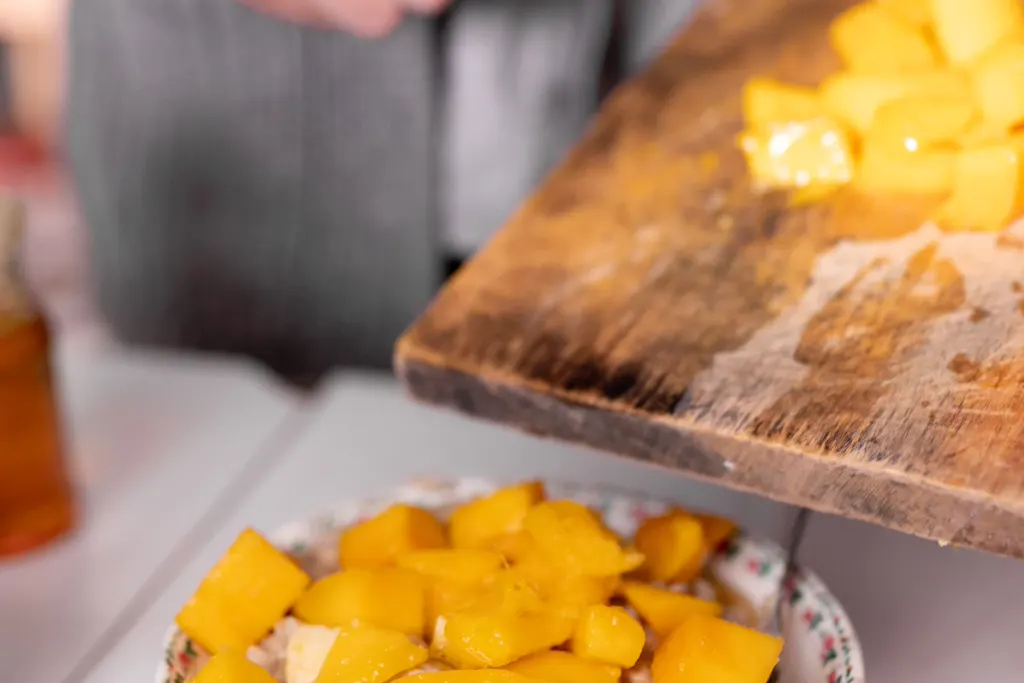
Peel the mangoes, slice the flesh away from the pit, and cut it into thick slices.
This is not the place for an underripe mango. You want fruit that feels slightly soft when you press it and smells sweet near the stem.
Ataulfo mangoes are my first pick. They’re buttery, juicy, and practically made for this dessert.
7. Put everything together.
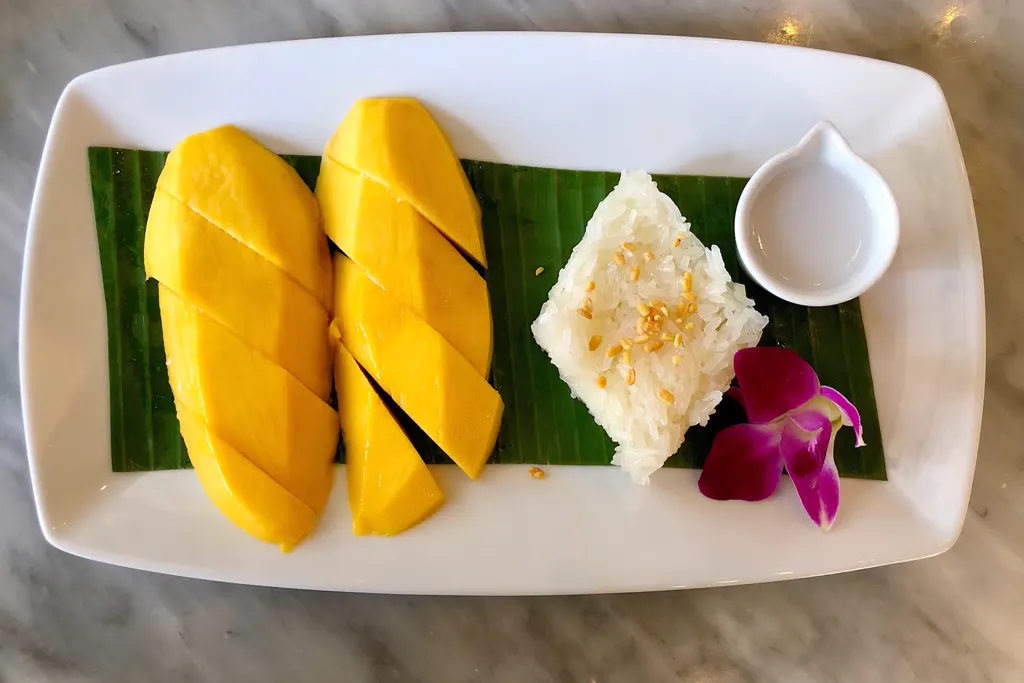
Spoon the warm coconut rice onto a plate or shallow bowl.
Add plenty of fresh mango alongside it, then drizzle that salted coconut sauce right over the rice. Finish with toasted sesame seeds.
And don’t be shy with the sauce.
A spoonful with chewy warm rice, cool juicy mango, creamy coconut, and that tiny bit of crunch is exactly what you’re after.
Recipe Variations
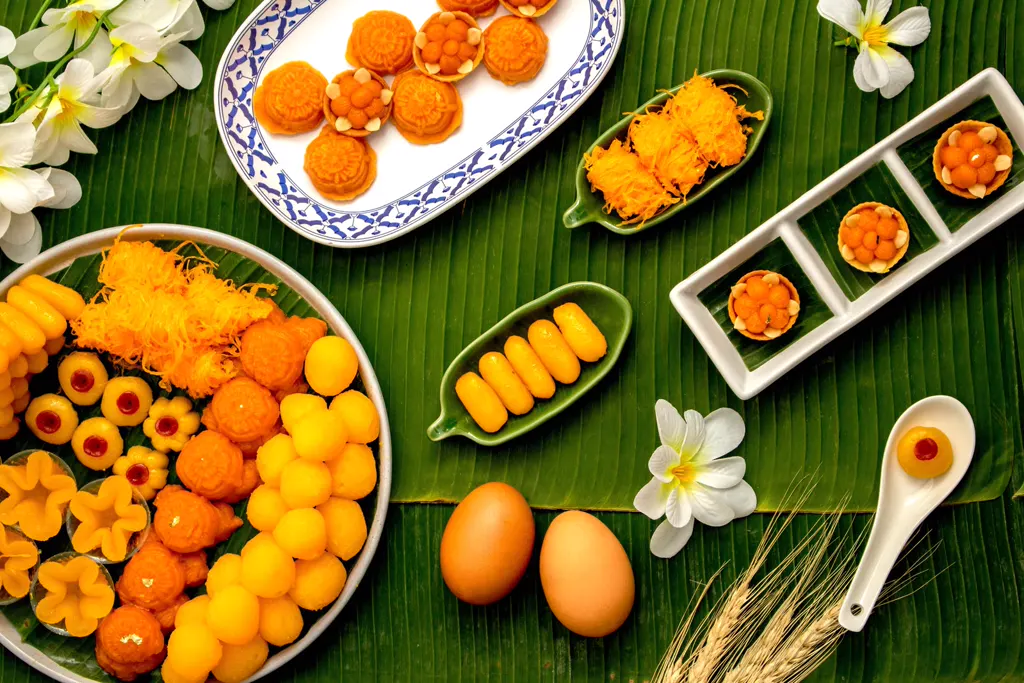
Add crispy mung beans.
Want the traditional crunch? Go with crispy fried mung beans.
Sprinkle them over the top right before serving. They give the soft, creamy rice a fantastic crispy contrast, and a little goes a long way.
Make it without refined sugar.
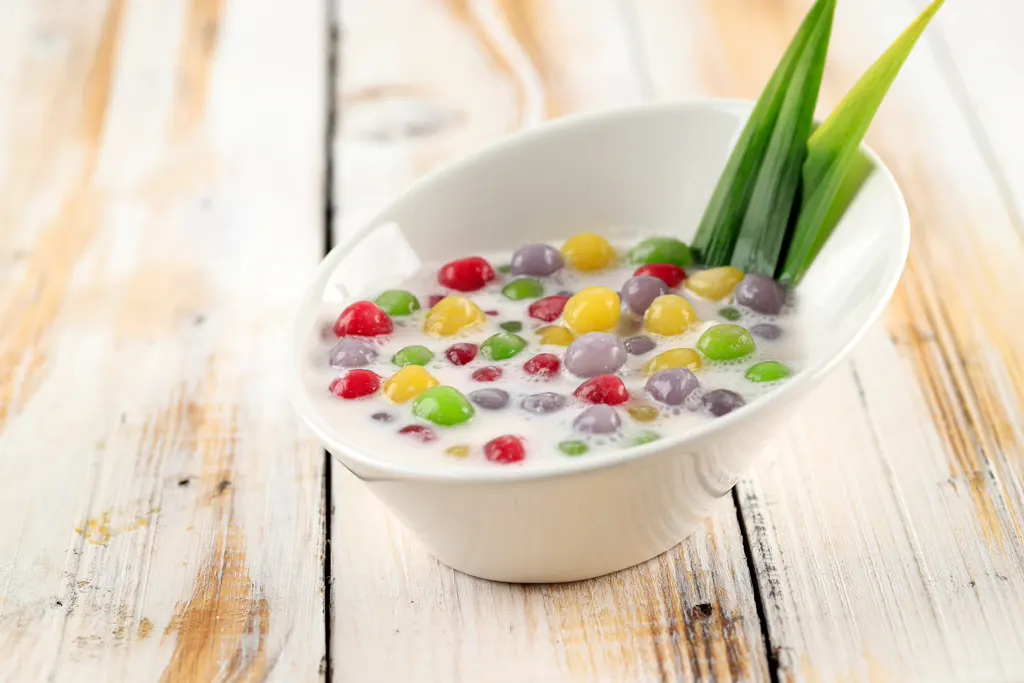
You can sweeten the coconut mixture with blended soft dates if you want to skip refined sugar.
For a truly sugar-free option, use a monk fruit sweetener that works well in sauces. Start with less than you think you need and taste as you go.
Go extra tropical.
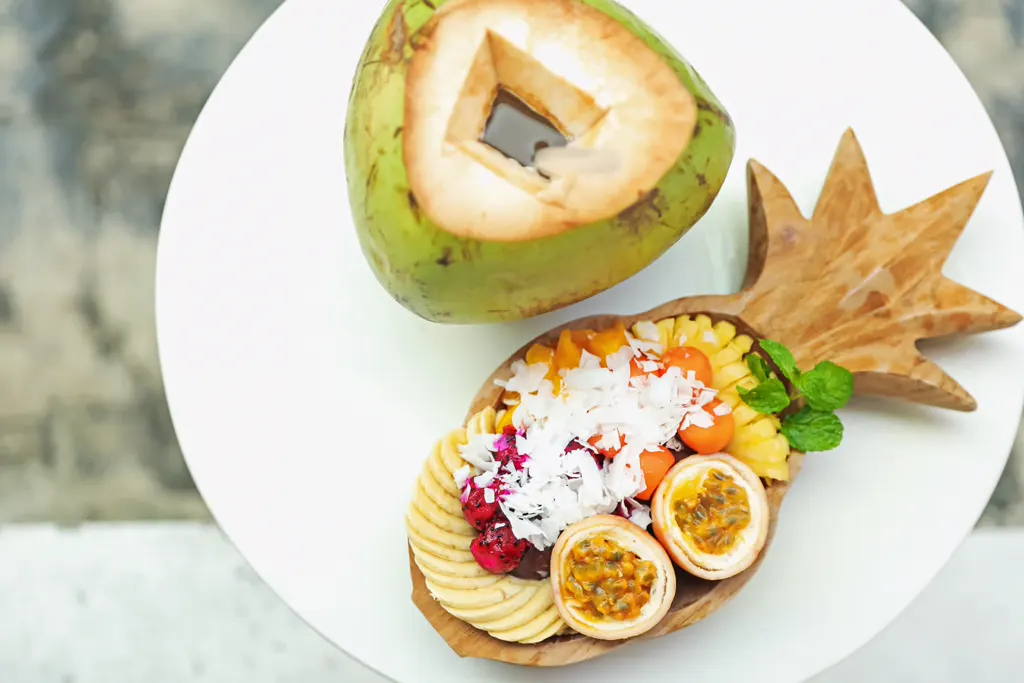
Toasted coconut flakes are an easy win here. They add another layer of coconut flavor plus a little crunch.
I also love the idea of fresh lime zest over the mango. It brightens everything up without taking over the dessert.
How to Store Leftovers
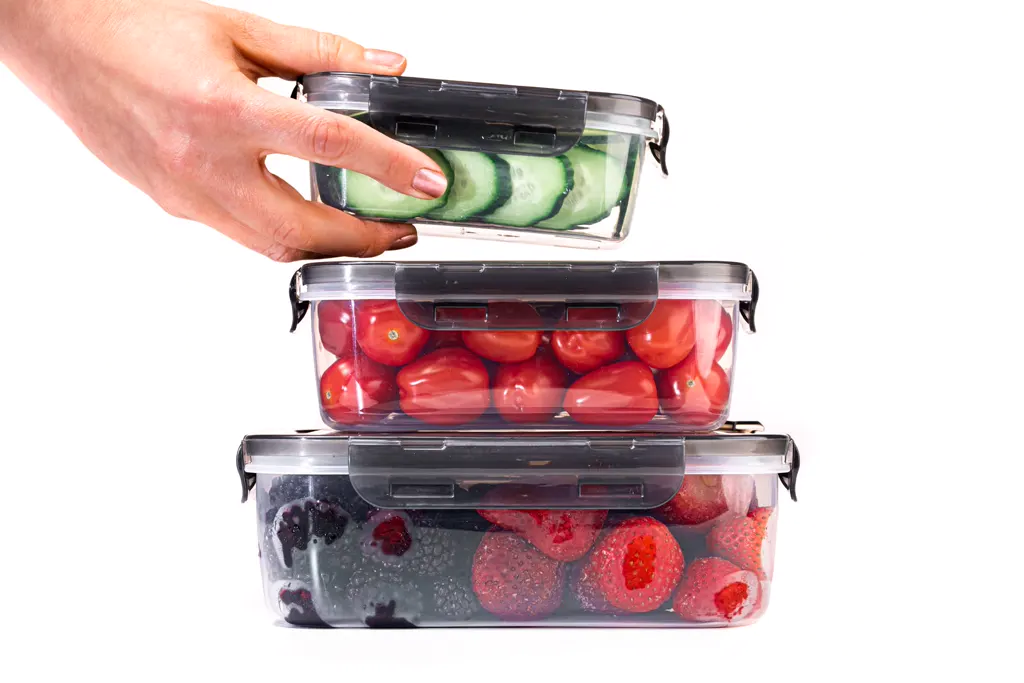
Keep the sticky rice and mango in separate airtight containers in the refrigerator for up to 3 days.
The rice will firm up in the fridge. Warm it gently with a splash of coconut milk until it turns soft again.
Keep the mango cold and add it after reheating. Warm mango? No thanks.
Frequently Asked Questions
Do I have to soak the rice for mango sticky rice?
Yes, I recommend it. Soaking helps glutinous rice cook evenly and gives you that soft, chewy center instead of hard grains.
Is coconut cream or coconut milk better for mango sticky rice?
I prefer full-fat coconut milk because it keeps the rice creamy without making it overly heavy. Coconut cream works well for the drizzle if you want a richer, thicker sauce.
Should mango sticky rice be served hot or cold?
Warm or room-temperature rice with cool mango is my favorite combination. Cold sticky rice gets too firm, while piping-hot rice can overpower the fresh mango.
What is the crunchy topping on mango sticky rice?
Traditional versions often use crispy fried mung beans. Toasted sesame seeds are an easier option and still give you that nice nutty crunch.
What kind of mango is best for mango sticky rice?
Ataulfo, champagne, or Nam Dok Mai mangoes work beautifully. Look for mangoes that feel slightly soft and smell sweet near the stem.
Why is my sticky rice too hard or too mushy?
Hard rice usually needs more soaking or cooking time. Mushy rice usually means too much water or overcooking, so drain the soaked rice well and measure the cooking water carefully.