
Delicious Hamburger Recipe

This hamburger recipe gives you juicy beef, a dark crust, and all the classic burger flavor you actually want. Use 80/20 beef, handle it gently, and cook it hot. Then bring on the toasted buns, melty cheese, and pickles.
Why You’ll Love This Hamburger Recipe

A really good burger does not need twenty ingredients. Start with 80/20 ground beef, season it well, and leave it alone once it hits the heat. That extra fat keeps the middle juicy while the outside gets beautifully browned.
And please do not squeeze the patties into tight little hockey pucks. Gently shaped burgers stay much more tender. A small thumbprint in the center keeps them flatter while they cook, and resisting the urge to press them with a spatula keeps all those juices where they belong.
Then comes the fun part. Toast the buns, melt cheese over the patties, and pile on whatever sounds good. Pickles. Onions. Lettuce. Burger sauce. I am not here to limit you.
The Best Buns for Hamburgers

The beef gets most of the attention, but a bad bun can ruin a great burger fast. You want something soft enough to bite through but sturdy enough to survive the juices.
Potato Buns
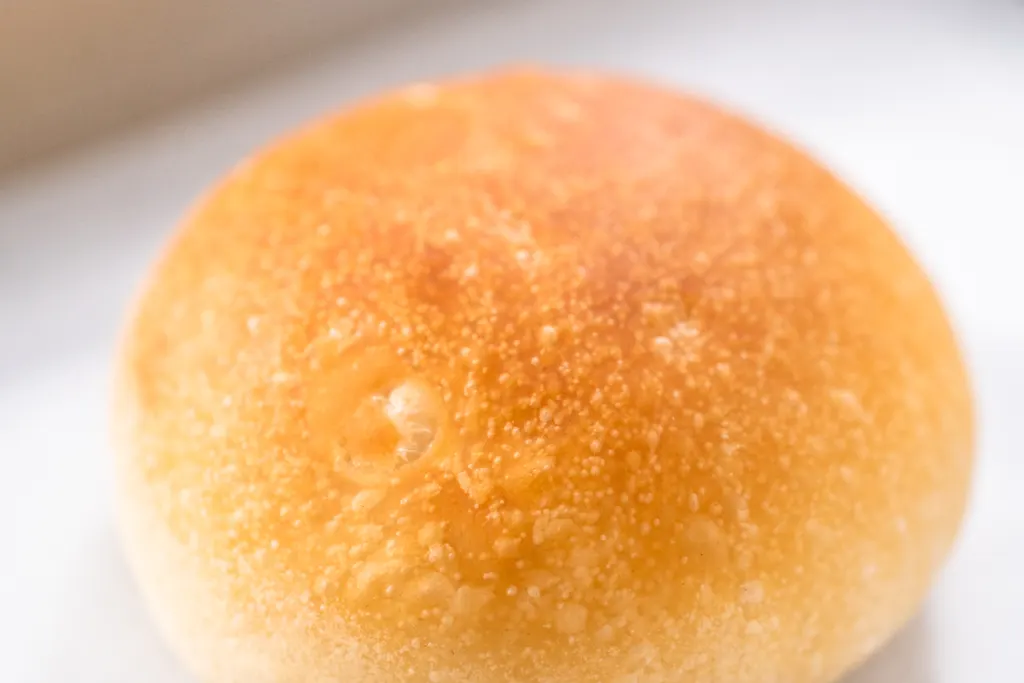
These are my favorite all-around burger buns. They are soft, slightly sweet, and sturdy without feeling heavy.
If you have no idea which buns to buy, grab potato rolls. They work with just about everything.
Brioche Buns

Brioche is richer, softer, and a little sweeter. It is fantastic with bacon, caramelized onions, sharp cheese, or a big restaurant-style burger.
Just toast it. An untoasted brioche bun can get soggy surprisingly fast.
Pretzel Buns

Pretzel buns are chewy, sturdy, and much heavier than potato or brioche buns. I like them with bold toppings such as bacon, Swiss cheese, mushrooms, or mustard.
For a simple cheeseburger, though, they can steal a little too much attention from the beef.
Classic Sesame Buns

Do not underestimate the basic sesame bun. It is light, inexpensive, and gives you that classic backyard burger feel.
These are especially good if you want the beef and toppings to do all the talking.
My pick? Potato buns for everyday burgers. Brioche when you want something richer. Whatever you buy, toast it.
Ingredients

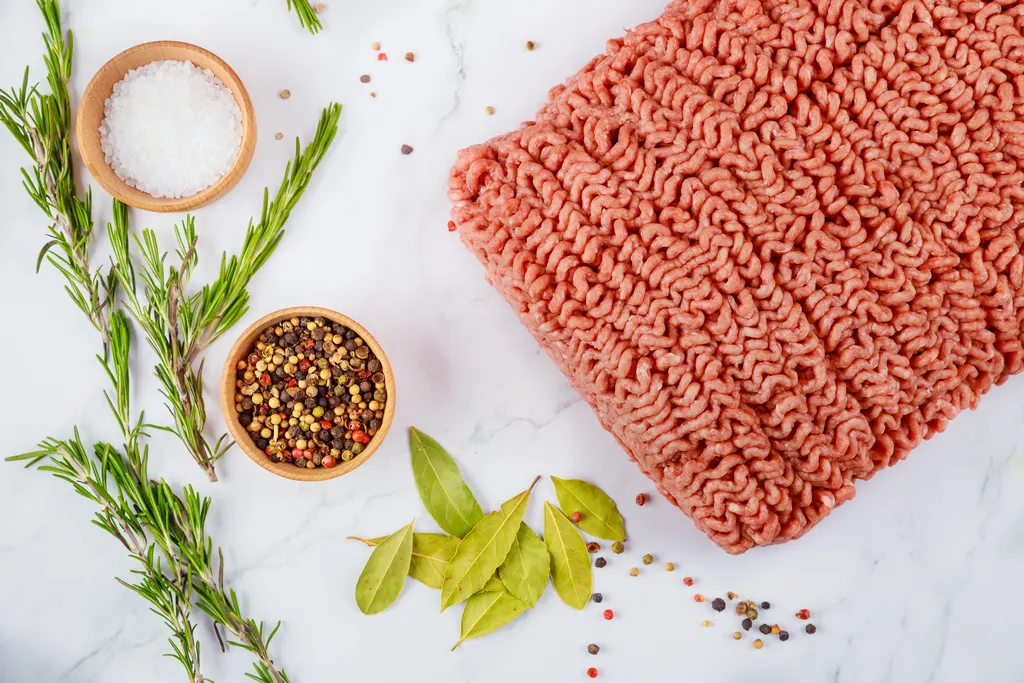
- 1 1/2 pounds 80/20 ground beef: Ground chuck is my favorite. The 20 percent fat keeps the patties juicy and helps build those deeply browned edges.
- 1 teaspoon kosher salt: Season the outside right before cooking. Salt the beef too early and the texture can turn firmer than you want.
- 1/2 teaspoon black pepper: Freshly ground is best. You want enough to taste without covering up the beef.
- 1/2 teaspoon garlic powder: Optional, but I love the extra savory kick.
- 1/2 teaspoon onion powder: It adds more flavor without putting chunks of onion inside the patties.
- 1 tablespoon vegetable oil: You only need this for the stovetop method. Use a neutral oil that can handle high heat.
- 4 slices American or cheddar cheese, optional: American melts like a dream. Sharp cheddar brings more flavor. I will happily eat either.
- 4 hamburger buns: Potato buns are my first choice, but brioche, pretzel, or classic sesame buns all work.
- 1 tablespoon butter: Spread it over the cut sides before toasting. Tiny step. Big improvement.
- Lettuce, tomato, onion, and pickles: Use all four or pick your favorites.
- Ketchup, mustard, mayonnaise, or burger sauce: A juicy burger still needs a good sauce situation.
Grill vs Stovetop vs Air Fryer
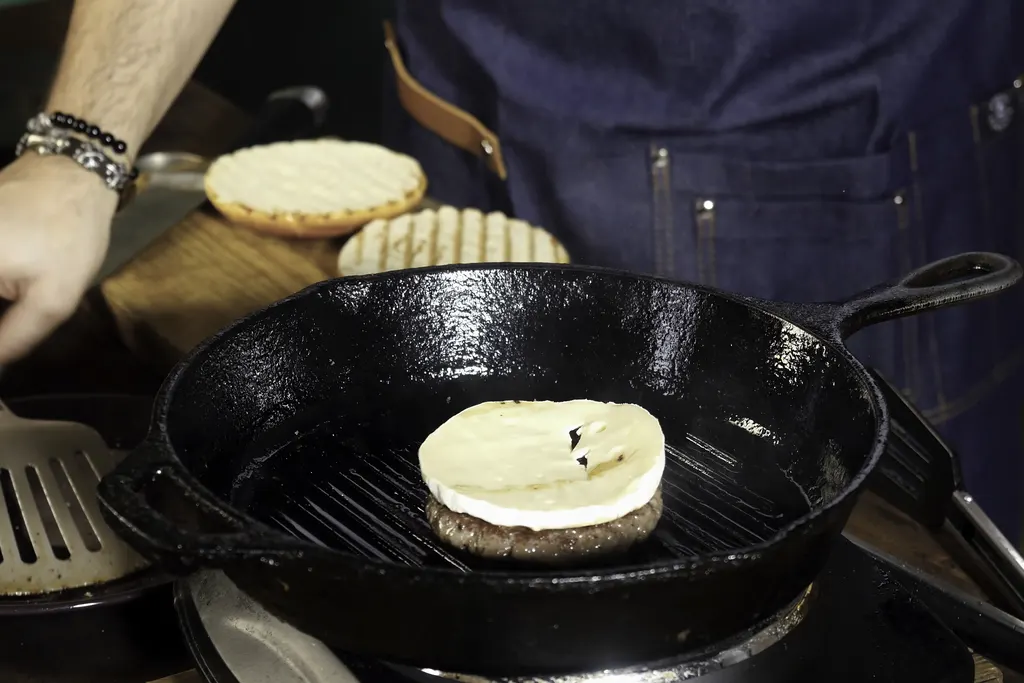
You can make a great hamburger three different ways, but they give you slightly different results.
Stovetop

Best for: The darkest crust and easiest year-round cooking.
Heat a cast-iron skillet over medium-high to high heat and cook the patties for roughly 3 to 4 minutes per side, depending on thickness.
The beef sits directly against the hot metal, so you get fantastic browning. This is my pick when I want those almost-crispy edges.
Grill
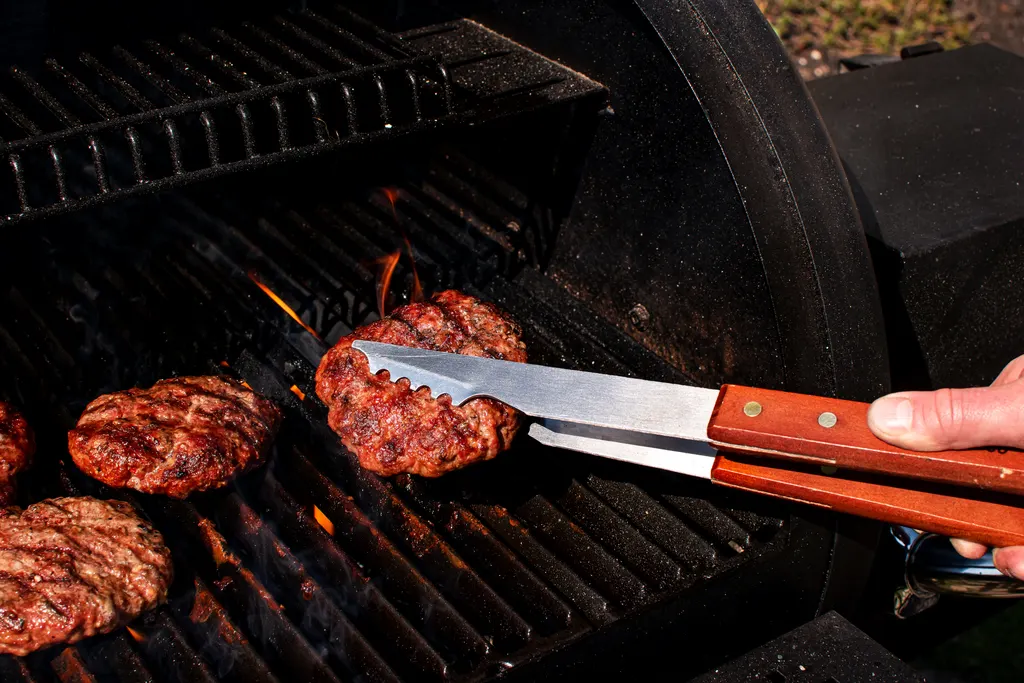
Best for: Smoky flavor and cookouts.
Preheat the grill to about 450 to 500°F and cook the burgers for roughly 4 to 5 minutes per side.
Keep the lid closed when you can and resist the urge to flatten the patties. Nothing good comes from squeezing burger juice into the fire.
Air Fryer

Best for: Easy cleanup and no grease splattering around the stove.
Air fry 3/4-inch patties at 375°F for about 10 to 12 minutes, flipping halfway through. Air fryers vary, so start checking early.
No matter which method you choose, cook ground beef to 160°F in the center and use a thermometer rather than judging by color.
If you want cheese, add it during the final minute or so.
How to Make Hamburgers

1. Shape the patties
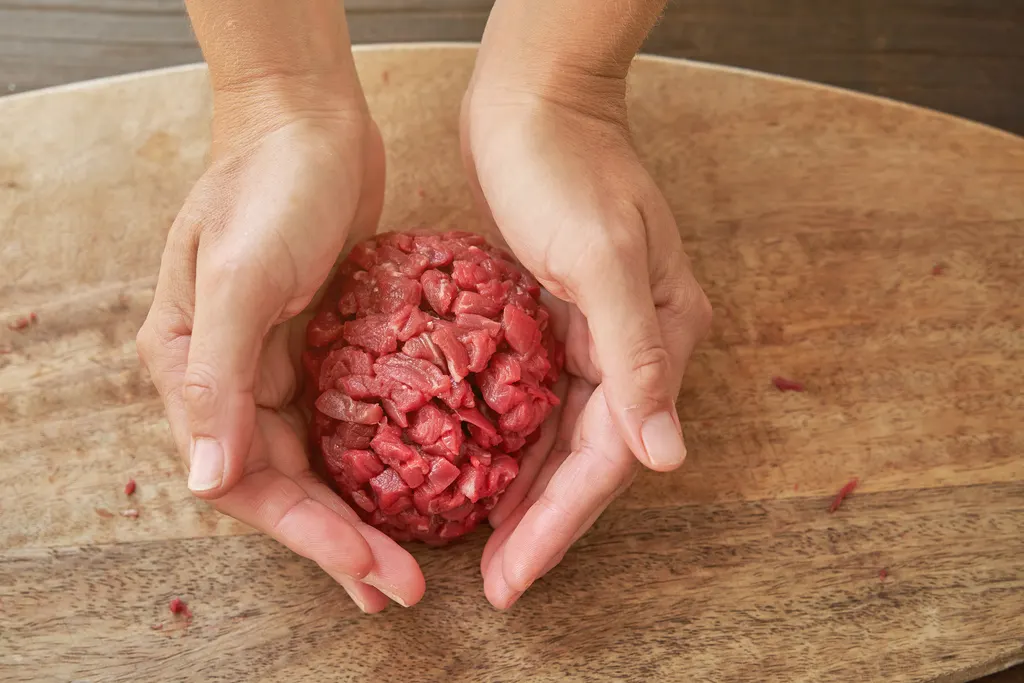
Divide the ground beef into 4 equal portions. Gently shape each piece into a patty about 3/4 inch thick and slightly wider than your buns.
The burgers shrink as they cook, so starting a little wider keeps you from ending up with a tiny patty floating in the middle of the bread.
Do not squeeze or knead the meat. Shape it just enough to hold together, then stop touching it.
2. Make a thumbprint and season
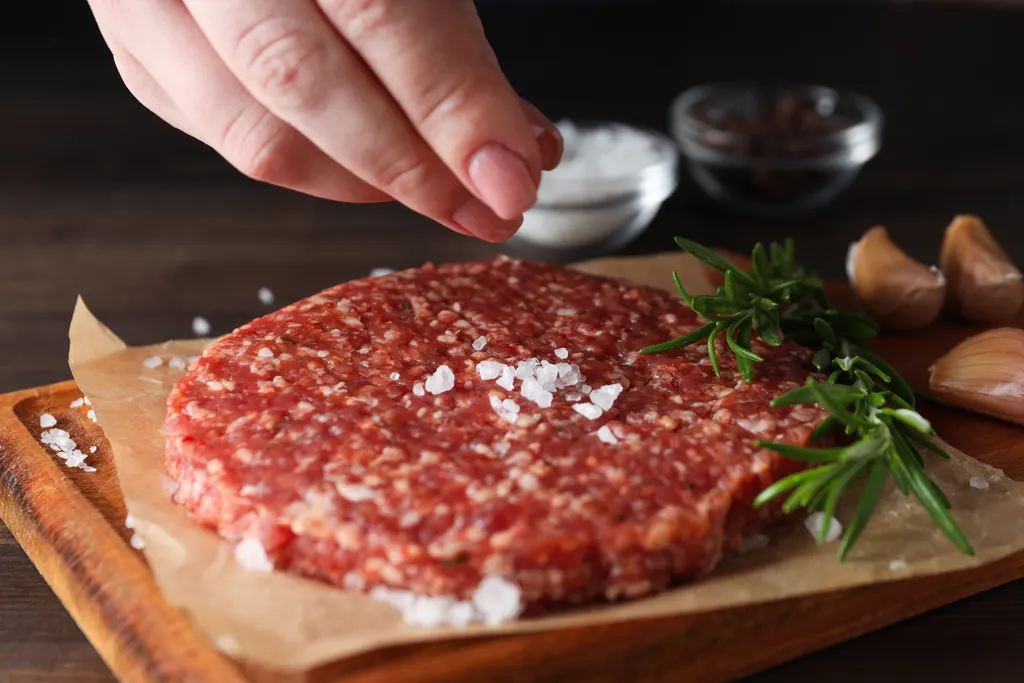
Press your thumb gently into the center of each patty. You only need a shallow indentation.
That little dent helps the middle stay flatter instead of puffing into a dome while the burger cooks.
Season both sides with salt, black pepper, garlic powder, and onion powder right before cooking. And season the edges too. They count.
3. Preheat your cooking method

For the stovetop, heat a cast-iron skillet over medium-high to high heat until very hot. Add the vegetable oil and swirl it around.
For the grill, preheat to about 450 to 500°F and clean the grates well.
For the air fryer, preheat to 375°F if your model calls for it.
Then add the patties and leave them alone. Do not smash them down with the spatula. That sizzling juice belongs inside the burger.
4. Cook the burgers

Let the patties cook without moving them for about 3 to 4 minutes. Once the bottoms develop a dark crust, flip them once and cook the second side.
And keep that spatula off the top. Pressing the burgers squeezes out the juices you worked so hard to keep inside.
Cook until the centers reach 160°F on an instant-read thermometer.
5. Add the cheese and let them rest

If you want cheeseburgers, add the cheese during the final minute of cooking. Cover the skillet or close the grill lid for a few seconds so it gets properly melty.
Transfer the burgers to a plate and let them rest for 3 to 5 minutes. It is not a long wait, and it gives you just enough time to deal with the buns.
6. Toast the buns and build

Spread a little butter over the cut sides of the buns and toast them in the skillet or on the grill until golden around the edges.
Then start stacking. I usually go sauce, lettuce, burger, cheese, tomato, onion, and pickles.
But once the beef is this good, you can pretty much take the toppings wherever you want.
Burger Sauce Recipes

A good burger sauce can turn a basic cheeseburger into something you actually want to make again. And these take about two minutes each.
Classic Burger Sauce

Mix together:
- 1/2 cup mayonnaise
- 2 tablespoons ketchup
- 1 tablespoon yellow mustard
- 2 tablespoons finely chopped pickles
- 1 teaspoon pickle juice
- 1/2 teaspoon garlic powder
- 1/4 teaspoon onion powder
Stir until smooth, then chill for about 15 minutes if you have time.
This is the one I’d put on a classic cheeseburger with lettuce, tomato, onion, and plenty of pickles.
Spicy Chipotle Mayo

Mix together:
- 1 tablespoon minced chipotle in adobo
- 1 teaspoon adobo sauce
- 1 teaspoon lime juice
- 1/2 teaspoon garlic powder
- Pinch of salt
Want more heat? Add another spoonful of adobo sauce.
This one is fantastic with pepper jack, jalapeños, avocado, or crispy onions.
BBQ Burger Sauce

Mix together:
- 1/3 cup mayonnaise
- 1/4 cup barbecue sauce
- 1 tablespoon ketchup
- 1 teaspoon yellow mustard
- 1 teaspoon pickle juice
- 1/4 teaspoon smoked paprika
Stir everything together until creamy.
This sauce belongs on a burger with cheddar, bacon, and crispy onions. Honestly, that combination is hard to beat.
Pro Tips for the Best Hamburgers
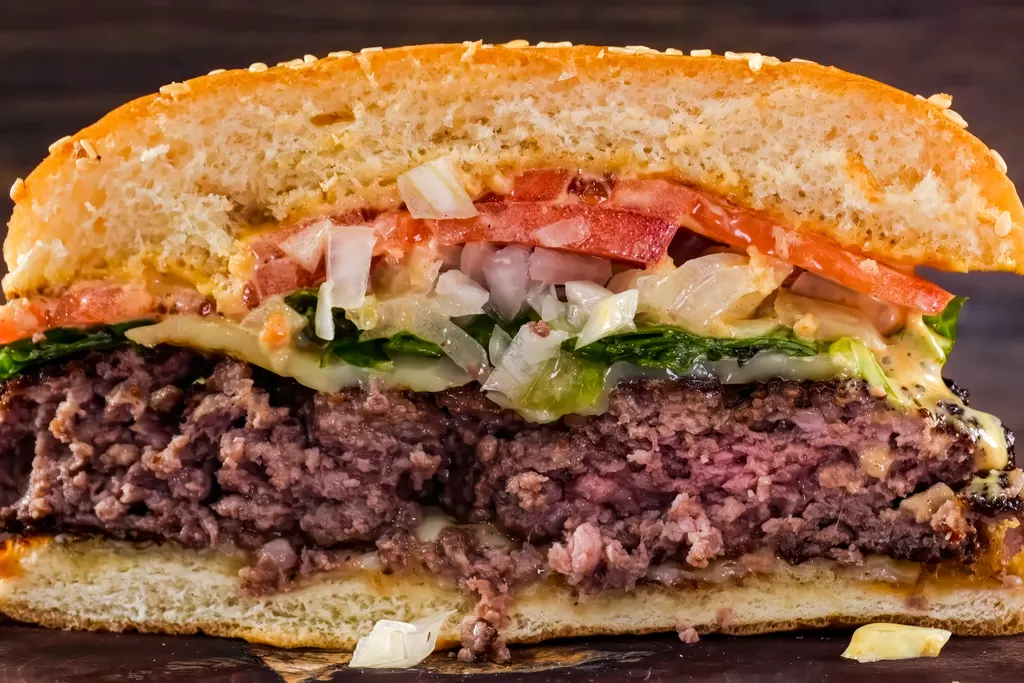
Use 80/20 ground beef

That 80 percent beef to 20 percent fat ratio is my favorite for burgers. The fat keeps the middle juicy and helps the outside brown beautifully.
Very lean beef can work, but it dries out much faster. Burgers are one place where the extra fat earns its keep.
Do not overwork the meat

Handle the beef as little as possible. Divide it, shape it gently, and stop.
The more you squeeze and pack the meat, the denser the burger gets. You want a tender patty, not something you could use as a paperweight.
Make the thumb dent

Press a shallow indentation into the middle of every patty. It helps keep the center from puffing up while the burger cooks.
It takes five seconds and gives you a much better shape.
Never press the patties while cooking

I know it is tempting. Do not do it.
Pressing the burger forces the juices straight onto the grill or into the skillet. Let the heat build the crust and leave the beef alone.
Cook burgers to 160°F
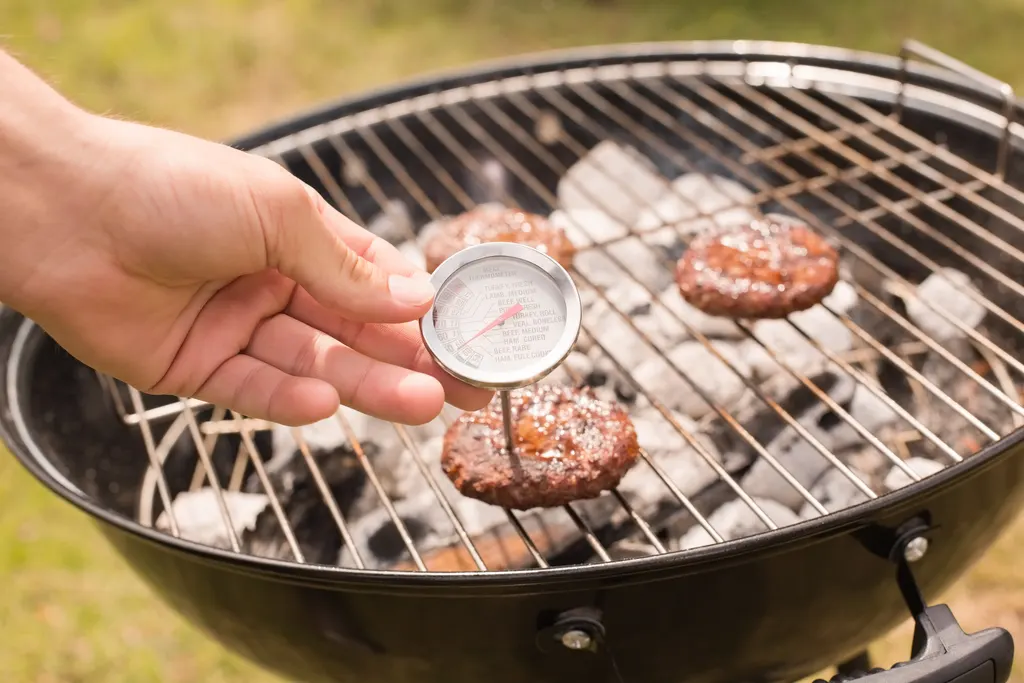
Use an instant-read thermometer and check the thickest part of the patty. Ground beef should reach 160°F in the center.
Do not rely on color alone. A burger can still look pink and be done, or look brown and need more time.
Let the burgers rest

Give the cooked patties about 3 to 5 minutes before building your burgers. That short rest helps keep more juice inside the meat.
It also gives you the perfect window to toast the buns.
Toast the buns

A soft bun is good. A buttery, golden bun is much better.
Toasting also gives the bread a little protection from the burger juices and sauce. Nobody wants a bun that gives up halfway through dinner.
Hamburger Topping Ideas
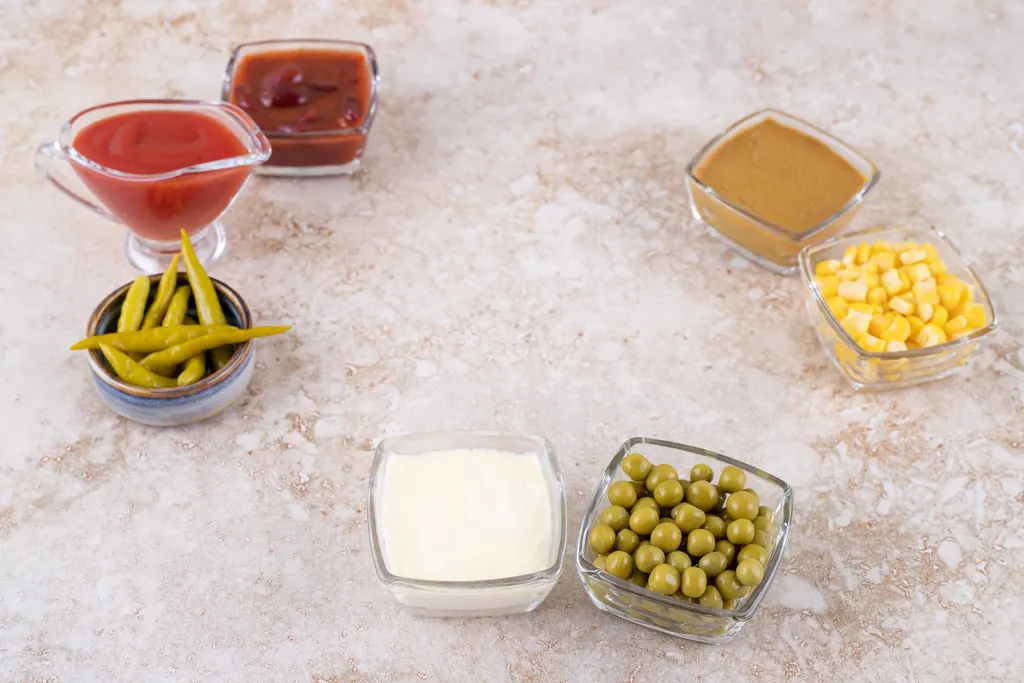
Classic Burger
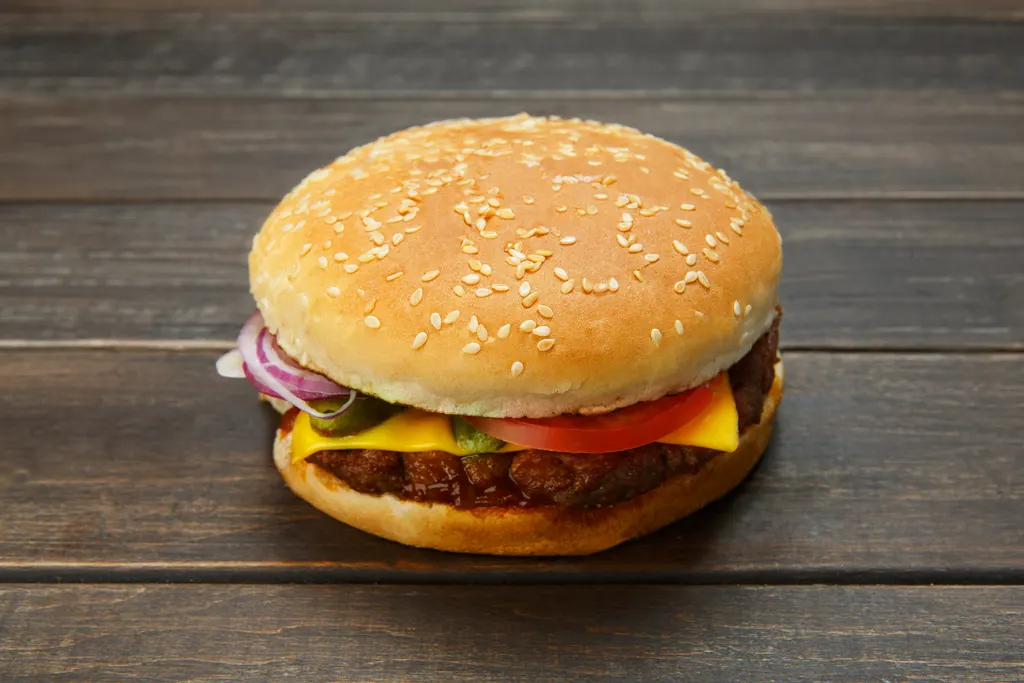
Keep it simple with lettuce, tomato, sliced onion, and pickles. Add ketchup, mustard, or classic burger sauce and call it done.
There is a reason this combination never gets old.
Bacon Cheeseburger

Add crispy bacon and sharp cheddar or American cheese.
Not exactly subtle. But subtle is not what I want from a bacon cheeseburger.
Mushroom Swiss Burger

Pile sautéed mushrooms and onions over the patty, then add Swiss cheese and let it melt right over the top.
This one has major steakhouse energy without making dinner complicated.
Spicy Burger
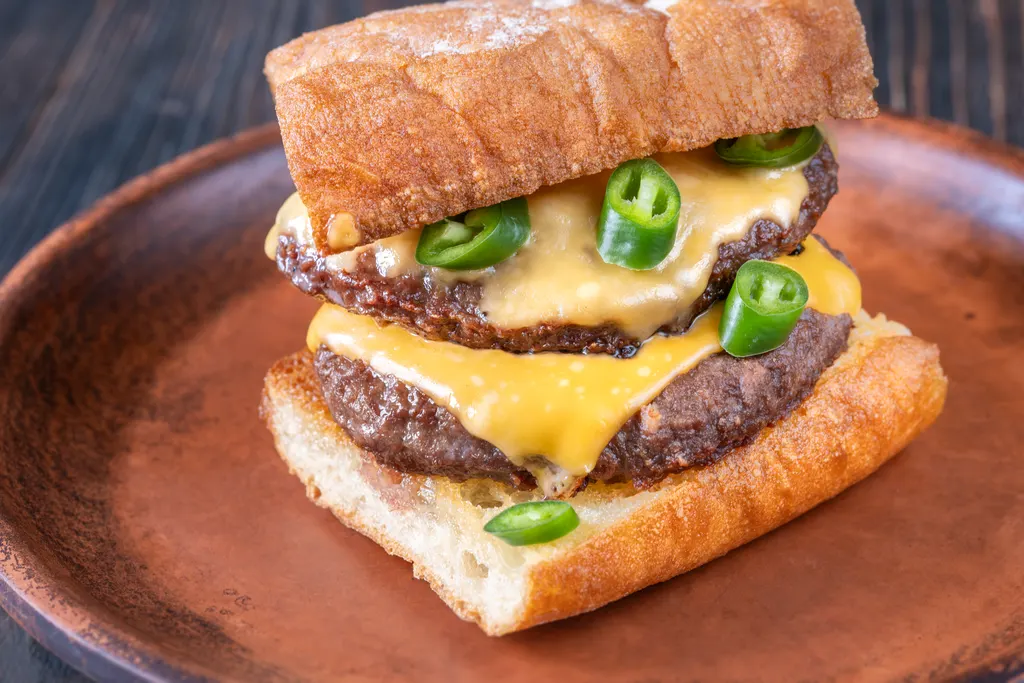
Go with pepper jack cheese, pickled jalapeños, crispy onions, and chipotle mayo.
That little bit of heat works ridiculously well with juicy beef.
BBQ Burger

Top the patty with cheddar, bacon, crispy onions, and BBQ burger sauce.
Sweet, smoky, salty, crunchy. There is a lot happening here, and I fully support it.
What to Serve with Hamburgers

French fries are the obvious answer, but crispy potato wedges, sweet potato fries, onion rings, or tater tots work just as well.
For cookout food, add coleslaw, macaroni salad, potato salad, or grilled corn. A crisp green salad is great if you want something fresh next to all that beef and cheese.
And pickles. Always more pickles.
For more beef dinner ideas, try this london broil recipe.
How to Store Hamburgers
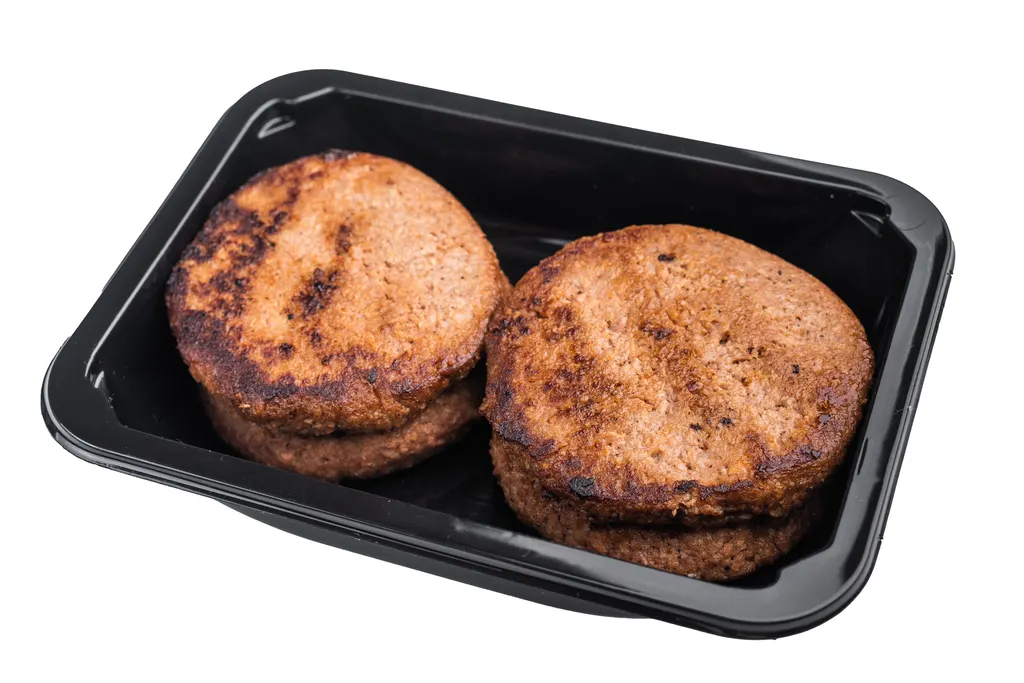
Let the cooked patties cool, then place them in an airtight container. Keep them in the refrigerator for 3 to 4 days.
Store the buns, cheese, sauces, and toppings separately. That keeps everything from turning soggy and sad overnight.
How to Reheat Hamburgers
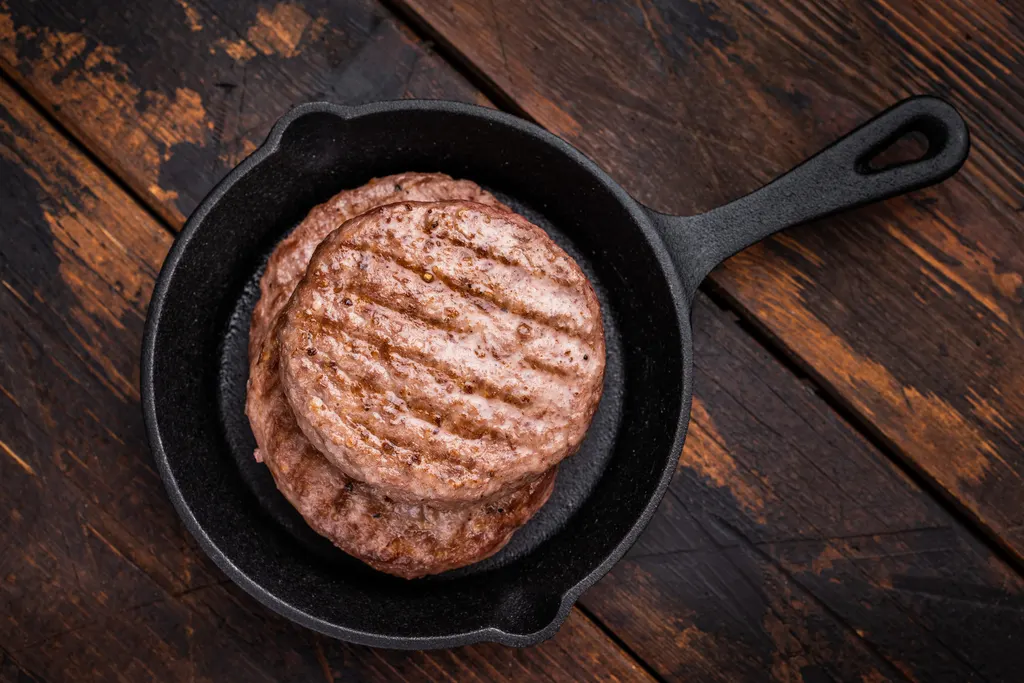
A skillet gives you the best texture. Place the patties in a covered skillet over medium-low heat with a tiny splash of water, then warm them just until heated through.
You can also use the microwave in short intervals. Just do not keep reheating them forever. Ground beef dries out quickly once it is already cooked.
Toast fresh buns before serving and the leftovers suddenly feel a whole lot less like leftovers.
Frequently Asked Questions
What ground beef is best for hamburgers?
I recommend 80/20 ground beef, especially ground chuck. That amount of fat gives the patties better flavor and keeps them juicy while they cook. Leaner beef can work, but it dries out faster and usually does not develop the same rich crust.
How do I keep homemade burgers from falling apart?
Handle the meat gently and shape each patty just enough to hold together. You do not need eggs or breadcrumbs for a classic hamburger. If the patties feel very soft, chill them for 15 to 20 minutes before cooking.
Why do you put a thumbprint in hamburger patties?
The shallow dent helps the center stay flatter as the burger cooks. Without it, thicker patties often puff up in the middle and turn into little domes. Press the indentation before cooking, then leave the burger alone once it hits the heat.
Can I make hamburger patties ahead of time?
Yes. Shape the patties, separate them with parchment, cover them tightly, and refrigerate for up to one day. Wait to season them with salt until just before cooking so the texture stays tender instead of turning firm.
How do I know when hamburgers are done?
Use an instant-read thermometer instead of judging by color. Ground beef should reach 160°F in the center. Insert the thermometer into the thickest part of the patty, then let the burgers rest for a few minutes before building them.
Can I freeze homemade hamburger patties?
Absolutely. Shape the raw patties, place parchment between them, and freeze them in a tightly sealed bag for up to 3 months. Thaw them overnight in the refrigerator before cooking. You can freeze cooked patties too, though freshly cooked burgers always have the best texture.
This hamburger recipe keeps things simple, juicy, and exactly as good as a homemade burger should be. Pick your favorite bun, add plenty of sauce and toppings, and dinner is pretty much guaranteed to disappear fast.

