Best Rice for Fried Rice: How Restaurants Do It
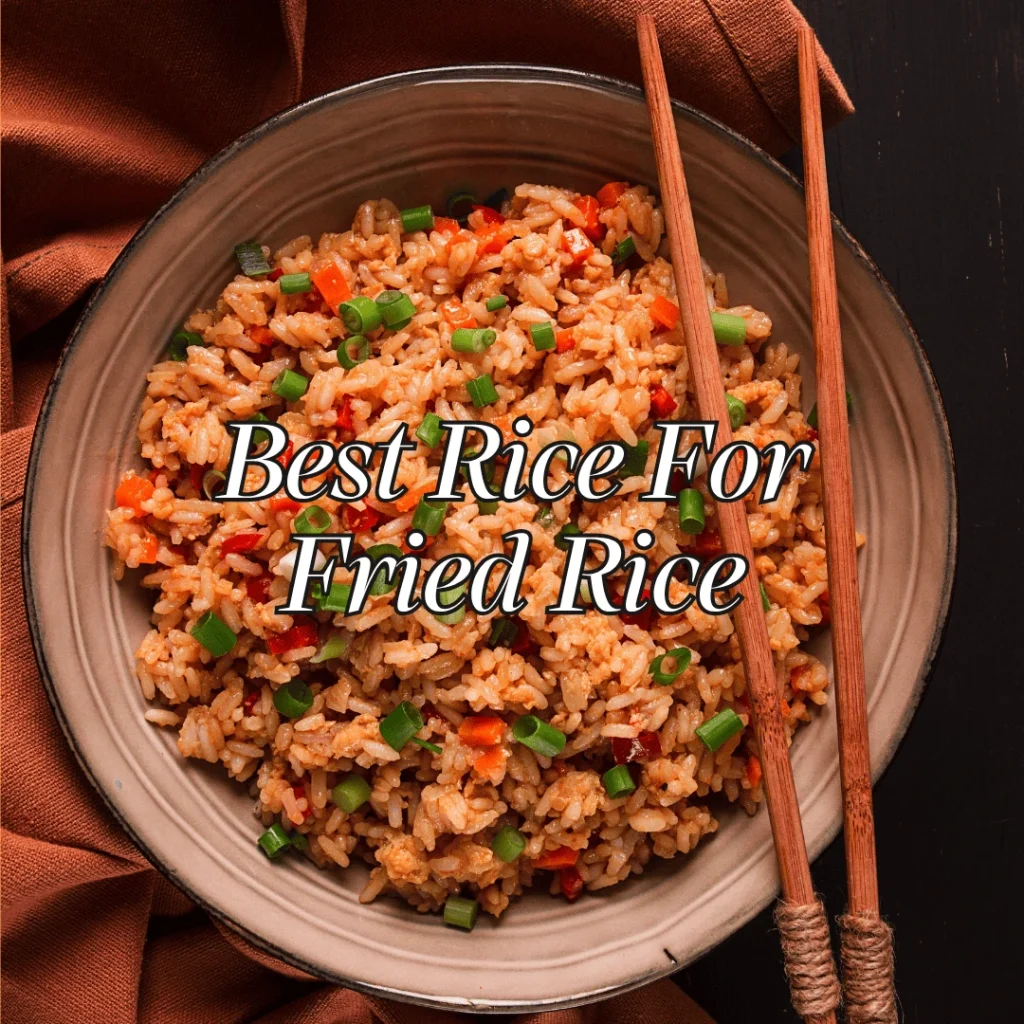
The best fried rice can change everything in the pan. You can use the same eggs, soy sauce, garlic, green onions, and vegetables, but the rice decides the final texture.
That is why restaurant fried rice tastes so fluffy, toasty, and separate. It never feels wet or mushy. The grains hold their shape, soak up the savory sauce, and still get those golden crispy edges.
I used to think fried rice worked with any leftover rice. It can, but the right rice makes it so much better. Jasmine rice gives the most reliable takeout-style texture. Basmati rice works when you want a lighter bite. Calrose rice gives you a softer, cozy pan of fried rice. It is also my top choice for sushi, where that sticky texture really shines.
If you want homemade fried rice that tastes closer to your favorite Asian restaurant, start with the rice first.
What Kind of Rice for Fried Rice: Does It Really Matter?
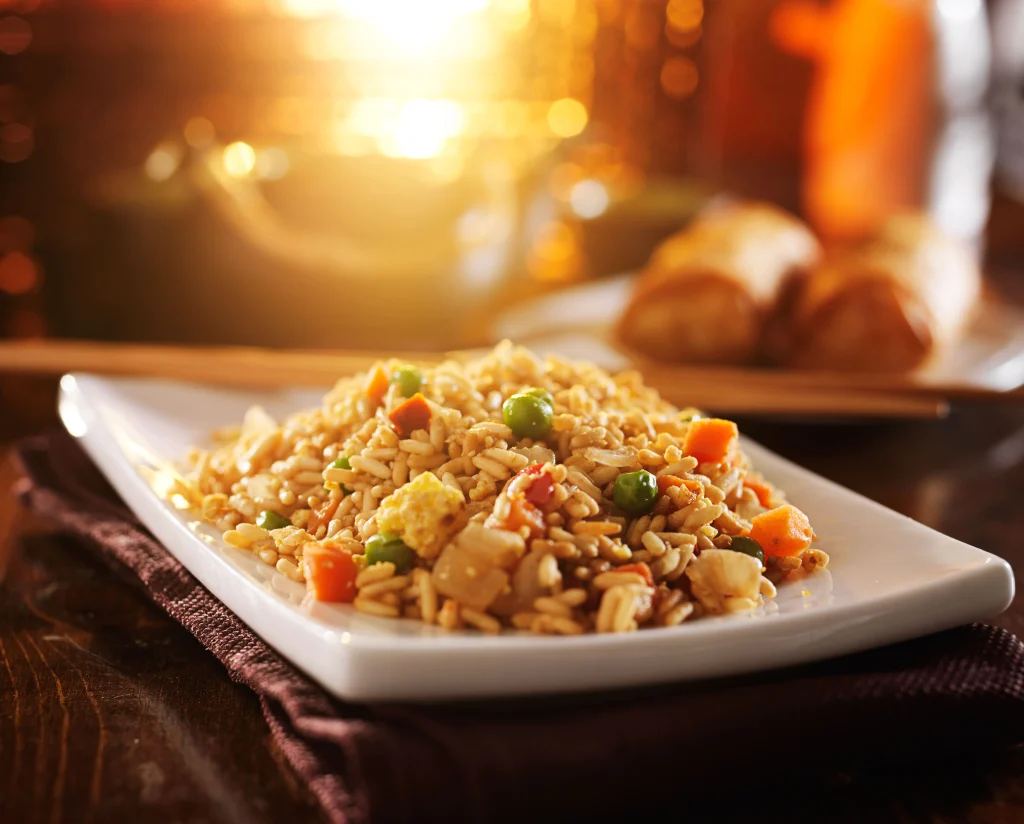
Yes, the kind of rice matters a lot. Fried rice needs grains that can handle high heat, oil, sauce, and constant stirring. If the rice holds too much moisture, it clumps together. Then the fried rice turns soft instead of fluffy.
Restaurants usually use cooked and chilled rice because cold rice fries better. The grains dry out slightly in the fridge, so they separate more easily in the wok or skillet. That helps each grain catch the oil, garlic, soy sauce, and sesame flavor.
Fresh rice can still work, but you need to cool it first. Spread it on a tray and let the steam escape. This helps remove extra moisture before it hits the pan.
The goal is simple. You want rice that tastes soft inside, slightly crisp outside, and savory all the way through. That is what gives fried rice its restaurant-style bite.
Top Rice Variety for Fried Rice: Jasmine Rice
Jasmine rice is the top choice for fried rice because it gives the best mix of softness, fragrance, and separate grains. It feels light in the pan but still tastes satisfying.
Its gentle aroma also works beautifully with Asian-inspired flavors. Soy sauce, garlic, eggs, green onions, sesame oil, shrimp, chicken, tofu, and vegetables all taste better with it.
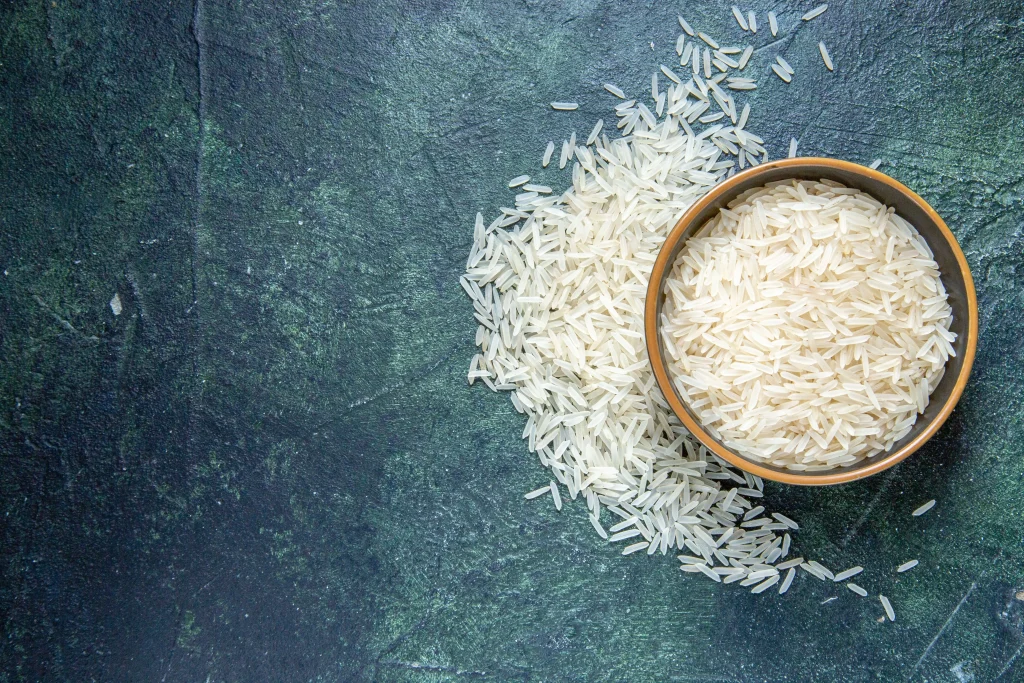
The trick is not just choosing jasmine rice. You also need to cook it ahead. Chilled jasmine rice fries much better than fresh rice. It does not break apart as easily, and it gives you that fluffy takeout-style texture.
If you want fried rice that feels easy, quick, and reliable, jasmine rice is the first option I would choose.
Jasmine Rice

Jasmine rice has soft, medium-long grains with a light floral aroma. When you cook it correctly, it stays tender without turning too sticky. That makes it perfect for fried rice.
It works especially well for chicken fried rice, shrimp fried rice, egg fried rice, and vegetable fried rice. The grains soak up soy sauce and sesame oil without becoming heavy.
Jasmine rice also gives fried rice that cozy restaurant-style feel. It tastes fluffy, savory, and slightly toasty when you fry it on high heat.
For the best texture, rinse the rice before cooking. Then cook it with slightly less water than usual. After that, chill it for a few hours or overnight. This small step makes a big difference.
Reasons to use Jasmine rice for fried rice
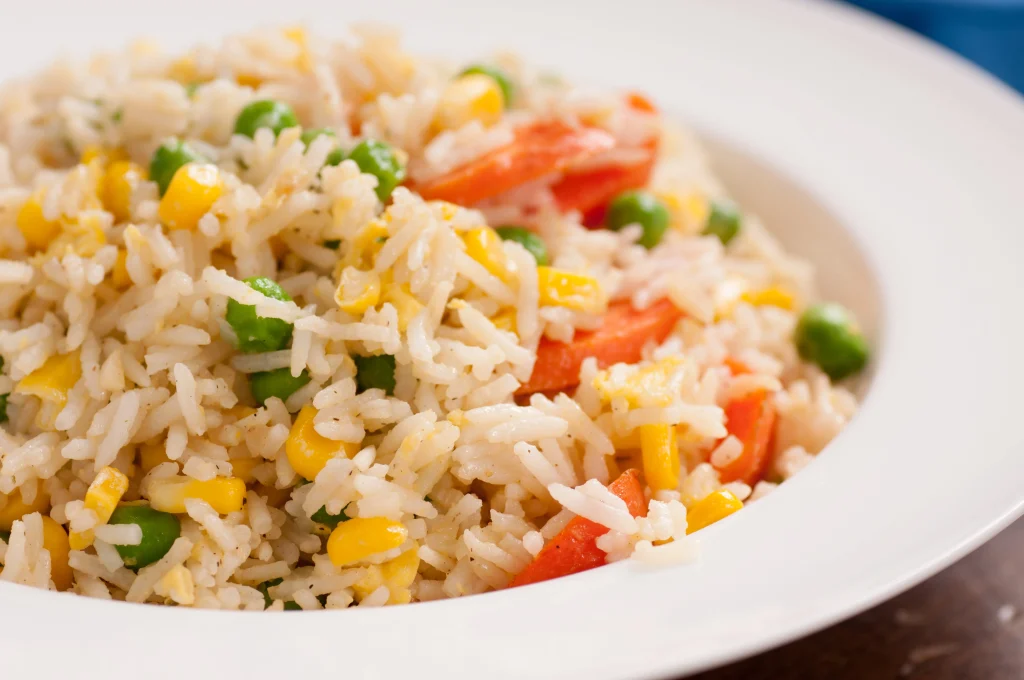
Jasmine rice works so well because it stays fluffy after chilling. The grains separate nicely, so the fried rice does not turn into a sticky clump.
It also has just enough softness. Some rice varieties feel too dry in fried rice, while others turn too sticky. Jasmine rice sits right in the middle. It gives you tender grains with a light bite.
It also carries flavor beautifully. When you add soy sauce, garlic, sesame oil, eggs, and green onions, the rice absorbs everything without losing its texture.
Jasmine rice also cooks quickly, which makes it great for meal prep. Make a batch the night before, chill it, and use it the next day for quick homemade fried rice.
If you want fried rice with fluffy grains, crispy edges, and real takeout-style flavor, jasmine rice deserves the top spot.
Go-to Runner-ups
Jasmine rice wins the top spot, but it is not the only good choice. Basmati rice and Calrose rice can also make delicious fried rice. They just give different textures.
Choose basmati rice when you want long, light grains. Choose Calrose rice when you want softer, slightly sticky fried rice. Both can work well when you cook and chill them first.
Basmati Rice
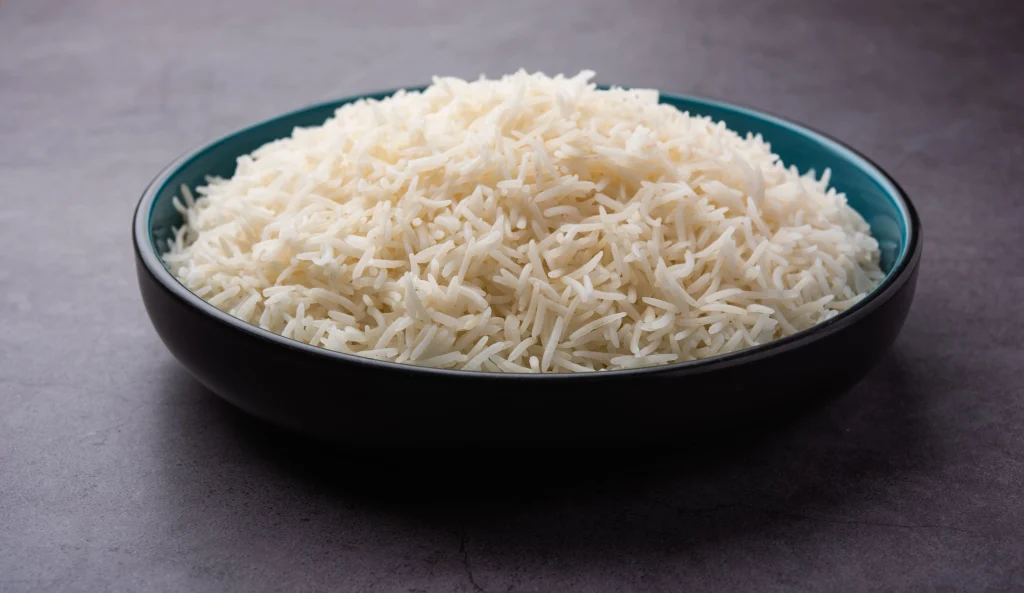
Basmati rice works well for fried rice when you want long, separate grains. It has a lighter texture than jasmine rice, so the final dish feels fluffy and less sticky.
It also has a stronger aroma. That makes it great with bold flavors like garlic, soy sauce, chili oil, ginger, green onions, chicken, shrimp, or spicy vegetables.
Basmati rice does not give the same classic takeout-style feel as jasmine rice, but it still makes a tasty pan of fried rice. Use it when you want a lighter, drier texture with lots of flavor.
Calrose Rice
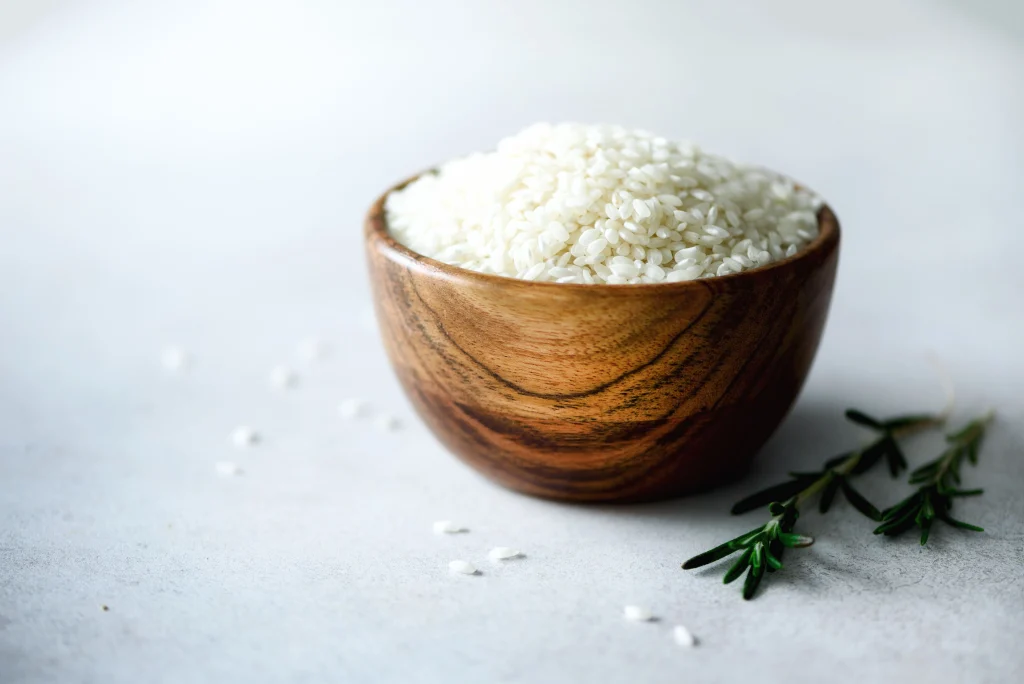
Calrose rice gives fried rice a softer and slightly sticky texture. It works nicely for Japanese-inspired fried rice, Korean-style fried rice, egg fried rice, or cozy homemade fried rice.
Because Calrose has more stickiness, it can clump if you use it hot. Let it chill first, then break up the grains before cooking.
This rice tastes comforting and tender. It does not feel as fluffy as jasmine rice, but it works beautifully when you want fried rice with a softer bite.
Rice for Fried Rice: Not Just a Filler
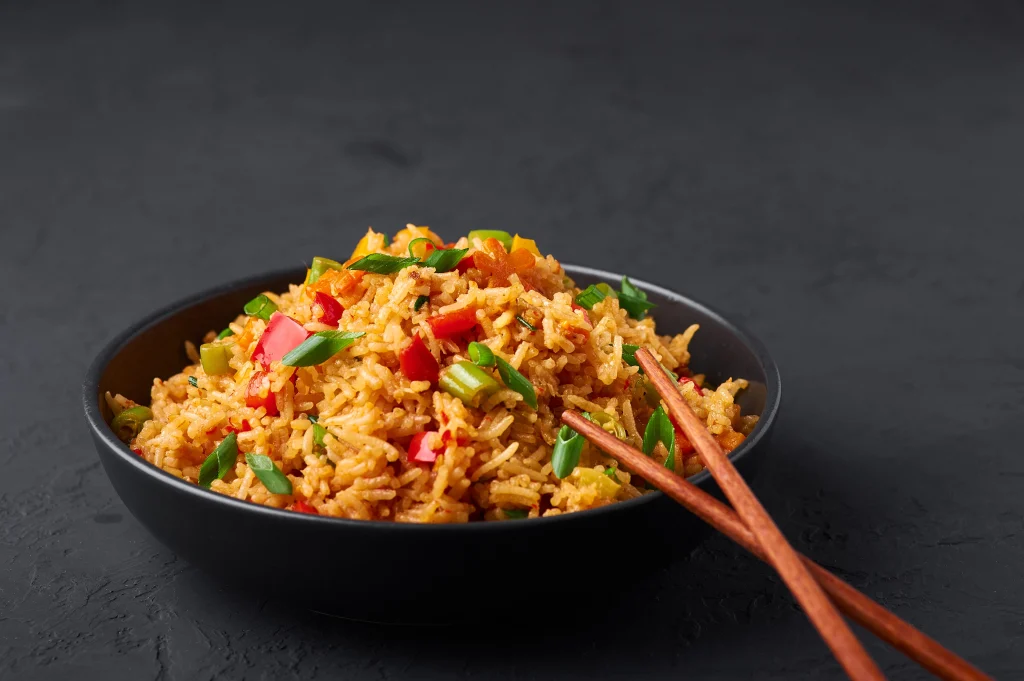
Rice does more than fill the bowl. It carries the whole recipe.
Good fried rice starts when each grain catches the oil, garlic, soy sauce, and sesame flavor. The rice balances the eggs, vegetables, and protein. It also decides whether the dish tastes fluffy, crispy, soft, or heavy.
That is why restaurants care about texture so much. They use rice that can handle high heat without turning mushy. When the grains stay separate, the sauce coats everything evenly. You get savory flavor in every bite.
The right rice also helps simple ingredients taste better. A few eggs, peas, carrots, green onions, and soy sauce can taste like restaurant-style fried rice when the rice texture works.
So, do not treat rice like an afterthought. It is the base, the texture, and the reason the whole pan comes together.
Asian-restaurant-inspired Fried Rice
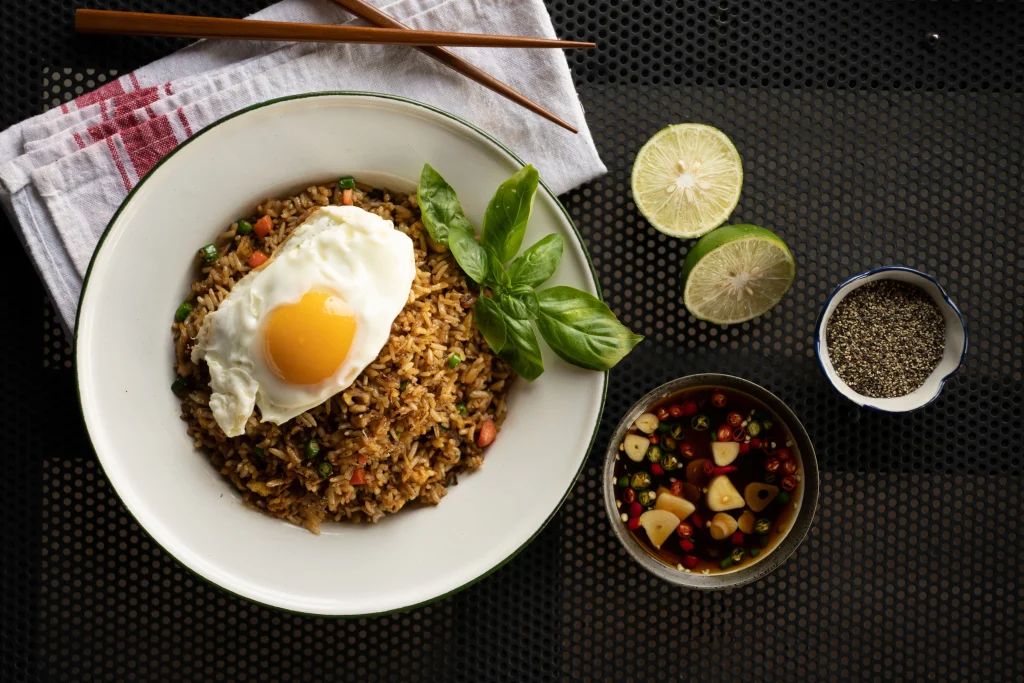
This Asian-restaurant-inspired fried rice is quick, savory, and perfect for using cold jasmine rice. It has fluffy grains, soft scrambled eggs, garlicky flavor, and little pops of vegetables in every bite. You can keep it simple, or add chicken, shrimp, tofu, or extra vegetables for a more filling dinner.
Ingredients
- 3 cups cooked and chilled jasmine rice
- 2 eggs, lightly beaten
- 2 tablespoons vegetable oil
- 2 garlic cloves, minced
- ½ cup diced carrots
- ½ cup peas
- 2 green onions, sliced
- 2 tablespoons soy sauce
- 1 teaspoon sesame oil
- ½ cup cooked chicken, shrimp, or tofu, optional
- Black pepper, to taste
Instructions
- Break up the chilled rice with your hands or a spoon.
- Heat a large skillet or wok over medium-high heat.
- Add 1 tablespoon of oil. Pour in the eggs and scramble them quickly. Remove them from the pan.
- Add the remaining oil. Stir-fry garlic, carrots, and peas for 1–2 minutes.
- Add the cold rice. Stir-fry until the grains separate and turn hot.
- Add soy sauce around the edges of the pan. Stir well.
- Add the scrambled eggs, green onions, sesame oil, and protein if using.
- Toss everything together until the fried rice tastes savory and steamy.
- Finish with black pepper and serve hot.
Conclusion
The best rice for fried rice depends on the texture you want, but jasmine rice gives the most reliable restaurant-style result. It stays fluffy, carries flavor well, and works with eggs, soy sauce, garlic, vegetables, chicken, shrimp, or tofu.
Basmati rice gives you a lighter bite. Calrose rice gives you a softer, cozier pan. But no matter which rice you choose, cold rice makes the biggest difference.
Save this guide for the next time you want quick, savory, takeout-style fried rice at home. The right rice can turn simple leftovers into a golden, flavorful dinner.
Frequently Asked Questions
What is the best type of rice for fried rice?
Jasmine rice works best for fried rice because it stays fluffy, soft, and separate after chilling. It also absorbs soy sauce, garlic, sesame oil, and egg flavor really well.
Is jasmine rice good for fried rice?
Yes, jasmine rice is one of the best choices for fried rice. It has a soft bite, light aroma, and separate grains when cooked and chilled properly.
Can I use fresh rice for fried rice?
Yes, but fresh rice needs extra care. Spread it on a tray and let the steam escape first. Cold rice still gives you a better texture.
Why do restaurants use day-old rice?
Restaurants use day-old rice because it has less moisture. The grains separate better, fry faster, and get that fluffy, slightly crispy texture.
How do I keep fried rice from getting mushy?
Use cold rice, high heat, and a large pan. Avoid too much soy sauce, wet vegetables, and overcrowding the skillet.
Is basmati rice good for fried rice?
Yes, basmati rice works well if you want long, light grains. It gives fried rice a drier texture and pairs nicely with bold seasonings.