Braciole Recipe
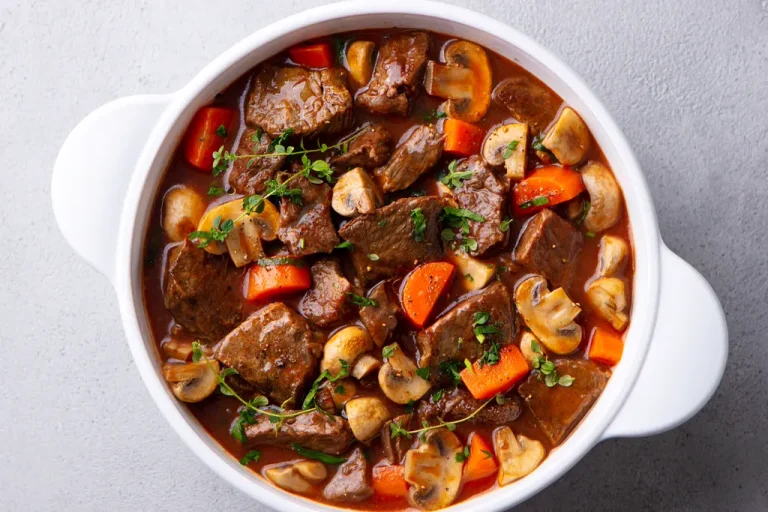
This braciole recipe wraps thin slices of beef around a garlicky Parmesan filling, then lets them simmer in tomato sauce until fork-tender. I love how the beef soaks up that rich sauce while the filling stays savory and cheesy. It looks impressive, but the actual work is surprisingly simple.
Why You’ll Love This Braciole Recipe

The beef gets incredibly tender after a long, gentle simmer. And once those little rolls start soaking up the tomato sauce, things get seriously good.
I’m using the breadcrumb-Parmesan filling here. It’s savory, garlicky, easy to roll, and probably the version most people will love right away.
But there’s another delicious route. Sicilian-style braciole often brings pine nuts and raisins into the filling for a sweet-savory contrast. If you like little pops of sweetness with rich tomato sauce, go that way. If you want something more classic and purely savory, stick with the breadcrumbs and Parmesan.
And don’t let the rolling part scare you. Pound the beef thin, keep the filling modest, and the rest is easy.
Ingredients
- 1 1/2 pounds top round beef: This is my pick for braciole. Ask for thin top round cutlets if your butcher has them, or slice the meat yourself and pound each piece to about 1/8 inch thick. That thinness matters. Thick beef is harder to roll and takes longer to become tender.
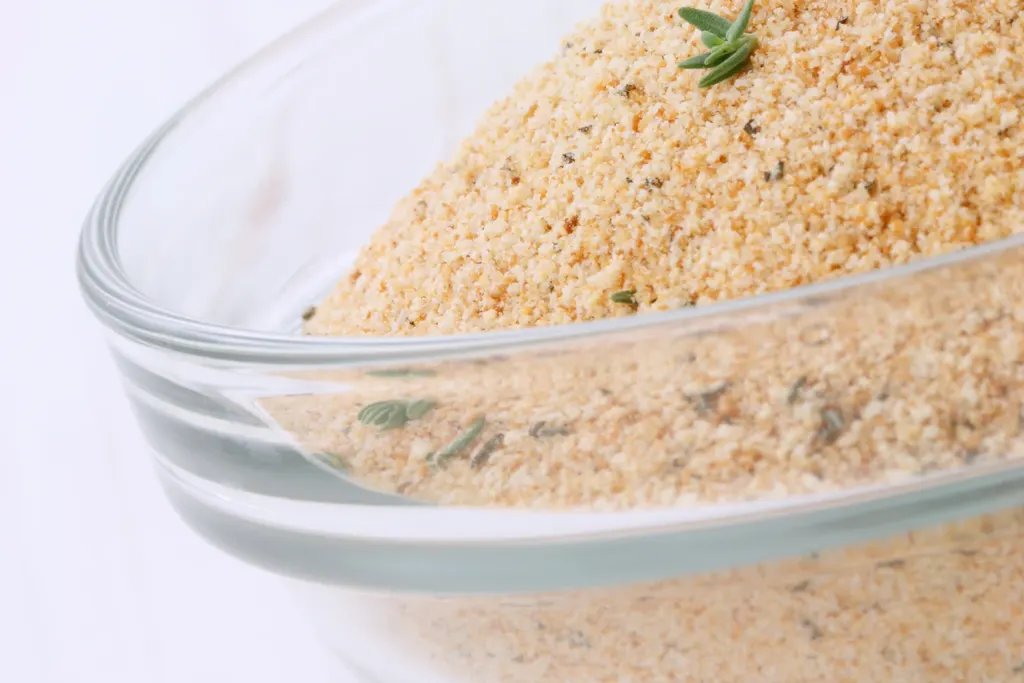
- 1 cup Italian breadcrumbs: They soak up the juices inside the rolls and give the filling a soft, savory texture.
- 1/2 cup grated Parmesan cheese: Use freshly grated Parmesan if you can. It melts right into the breadcrumbs and gives the filling plenty of salty, nutty flavor.
- 3 garlic cloves: Mince them finely so you get garlic in every slice without biting into big chunks.
- 1/4 cup chopped fresh parsley: Parsley keeps the filling fresh and cuts through all that rich beef and tomato sauce.
- 2 tablespoons olive oil: Just enough to moisten the breadcrumb filling and help brown the beef.
- 2 tablespoons pine nuts, optional: Add these if you want that Sicilian-style filling. Toast them first for a little extra nuttiness.
- 2 tablespoons raisins, optional: Raisins give Sicilian-style braciole its sweet-savory edge. Chop them if they’re large so the rolls stay easy to close.
- Salt and black pepper: Season both the beef and the filling. Thin meat still needs plenty of flavor.
- Kitchen twine or toothpicks: I prefer twine. It holds the rolls tight while you brown and simmer them, and nothing pokes loose halfway through cooking. Toothpicks work perfectly well for smaller rolls, though, and they’re definitely faster.
- 2 tablespoons olive oil for browning: You want enough oil to give the beef rolls a good golden crust before they hit the sauce.
- 1 small yellow onion: Chop it finely. It softens into the tomato sauce and adds a little sweetness.
- 3 garlic cloves: Yes, more garlic. I wouldn’t apologize for it.
- 1/2 cup dry red wine: This loosens all those browned bits from the pot and gives the sauce extra depth.
- 1 can (28 ounces) crushed tomatoes: This makes the base of the sauce. I like crushed tomatoes because they stay thick but still cling beautifully to the beef.
- 1 cup tomato sauce: It smooths everything out and gives you plenty of sauce for spooning over pasta.
- 1 teaspoon dried oregano: Just enough to give the sauce that familiar Italian flavor.
- Fresh basil: Stir some in near the end or scatter it over the finished braciole.
For the beef, top round wins for me because it slices neatly, pounds thin without falling apart, and rolls easily. Flank steak can work too, but you’ll need to slice it carefully across the grain.
I’d skip thick stew meat completely, and I wouldn’t waste ribeye or tenderloin here. Braciole needs a cut that can handle a long simmer, not an expensive steak that’s better cooked quickly. If you love slow-cooked beef, our beef stew recipe is another cozy favorite.
How to Make Braciole

1. Pound the beef thin

Lay the beef slices between two sheets of plastic wrap and pound them to about 1/8 inch thick.
You want them thin enough to roll easily, but not so thin that they tear. If one edge looks a little uneven, don’t worry. Once everything gets rolled up, nobody will notice.
2. Make the filling
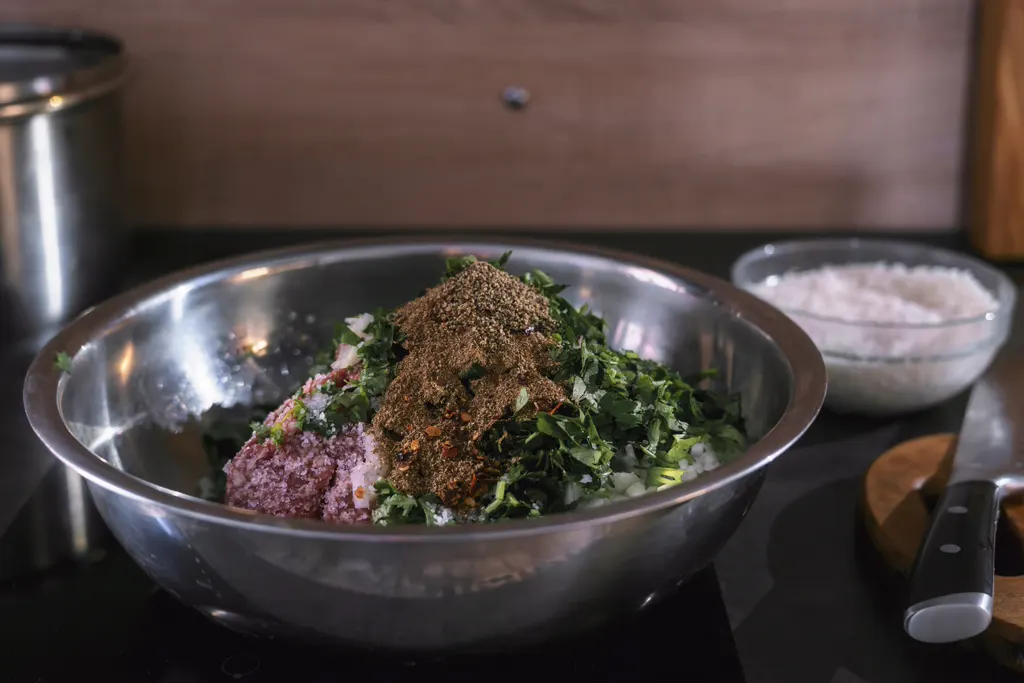
Mix the breadcrumbs, Parmesan, garlic, parsley, olive oil, salt, and black pepper in a bowl.
If you’re using pine nuts and raisins, stir them in now.
The filling should feel moist but not wet. If it looks dry and crumbly, add another small drizzle of olive oil.
3. Fill and roll the beef

Lay each piece of beef flat and spread a thin layer of filling over the surface.
Leave a little space around the edges. Too much filling makes the rolls harder to close and gives it more chances to escape.
Roll the beef up tightly, then secure each piece with kitchen twine or toothpicks.
4. Brown the rolls

Heat the olive oil in a large Dutch oven or deep skillet over medium-high heat.
Add the braciole and brown them on all sides. Don’t rush this part. Those golden edges add a ton of flavor to the sauce.
Once browned, transfer the rolls to a plate.
5. Build the sauce

Lower the heat to medium and add the chopped onion.
Cook until soft, then stir in the garlic. Pour in the red wine and scrape up all those browned bits from the bottom of the pan.
Add the crushed tomatoes, tomato sauce, oregano, salt, and black pepper.
6. Simmer the braciole
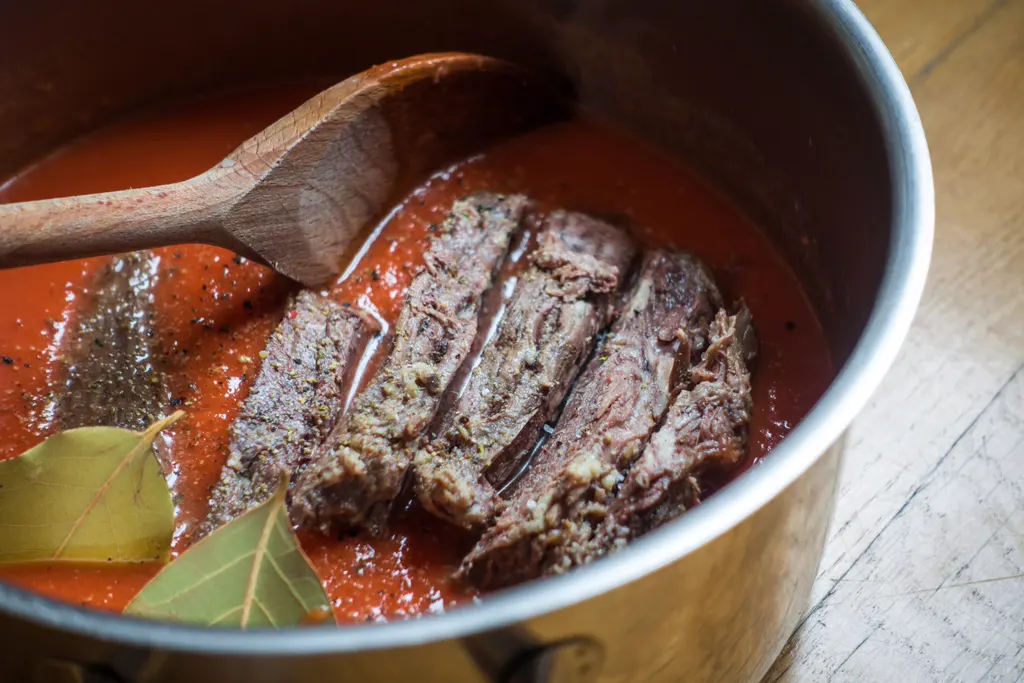
Return the beef rolls to the sauce and spoon a little sauce over the top.
Cover the pot and let everything simmer gently for about 1 1/2 to 2 hours.
Check the beef near the end. It should feel tender when you cut into it with a fork. If it still feels chewy, give it more time.
7. Finish and serve
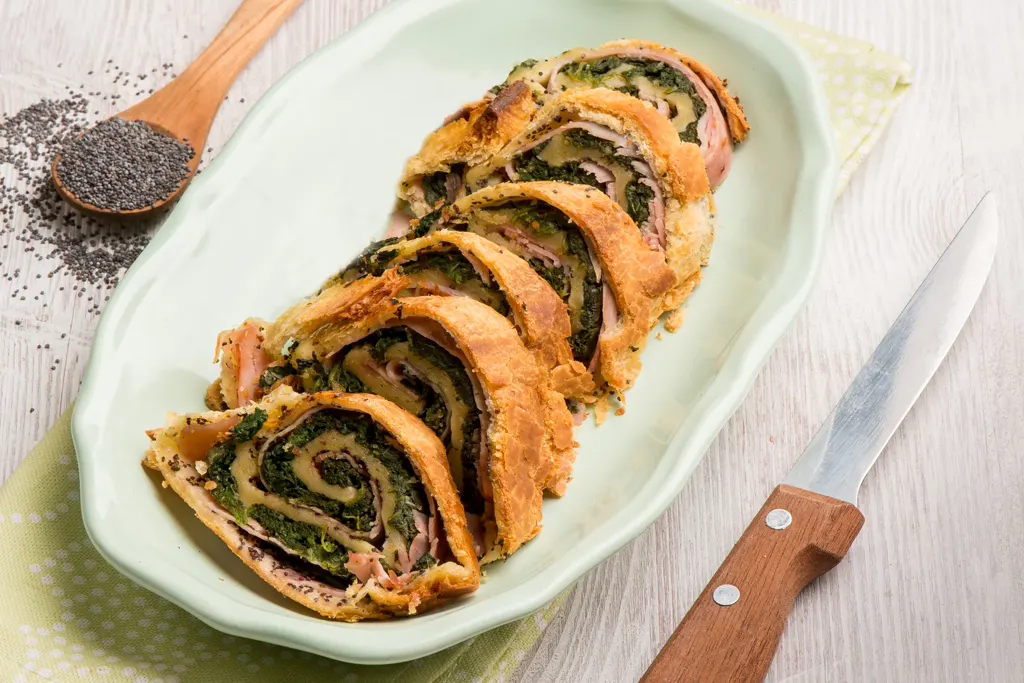
Remove the twine or toothpicks before serving.
Spoon plenty of tomato sauce over the braciole and finish with fresh basil.
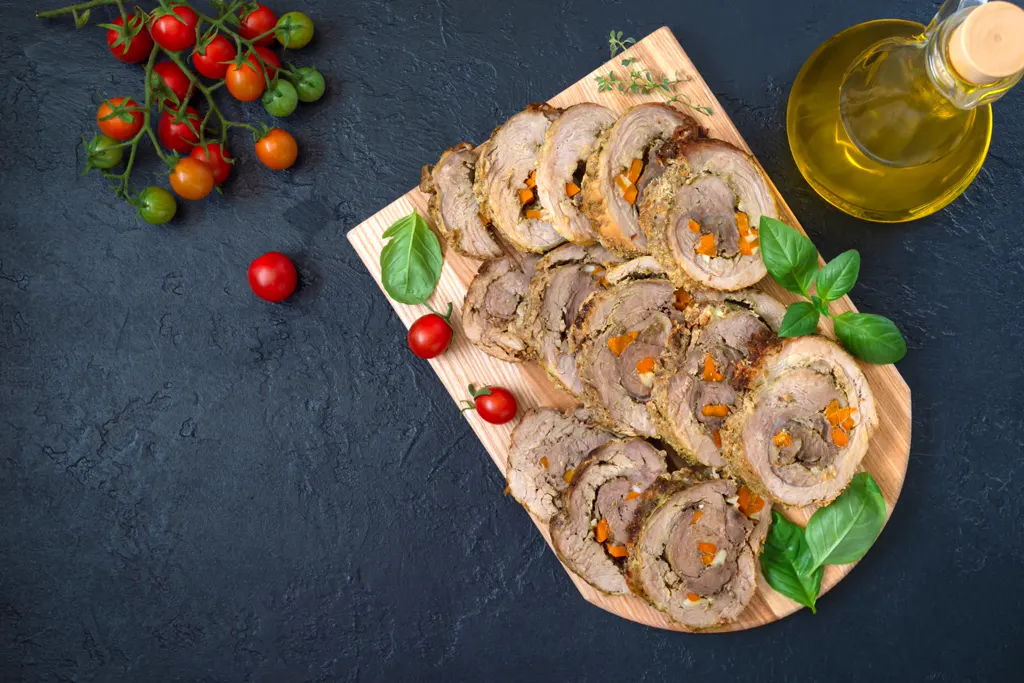
I’d slice the rolls before serving so you can see that savory filling tucked inside.
Pro Tips and Troubleshooting
If the rolls keep falling apart
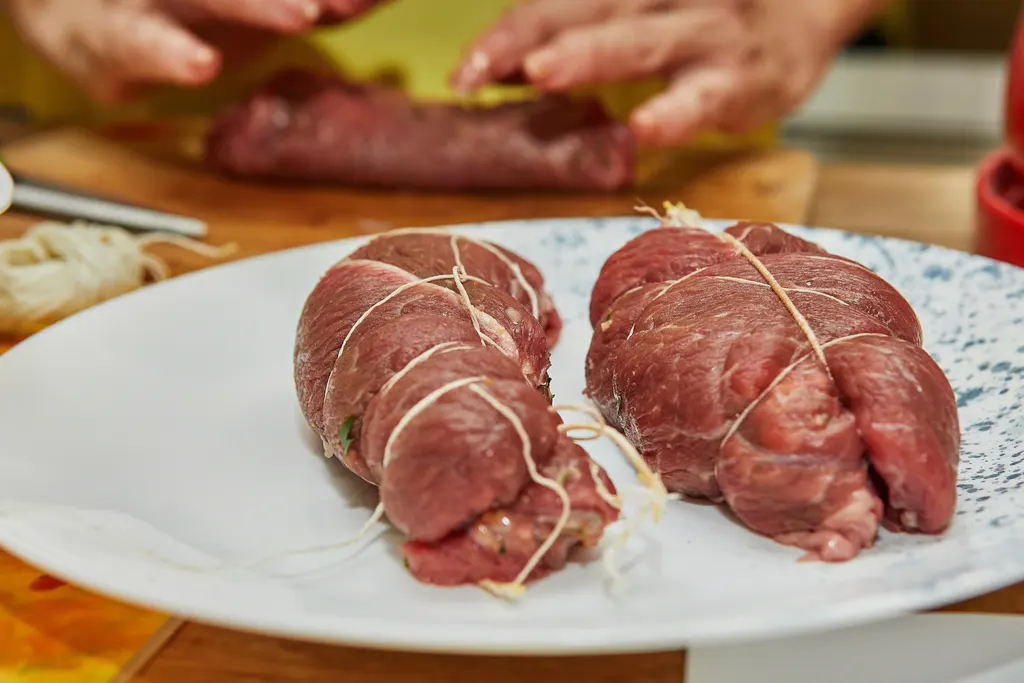
Roll them tightly and don’t overfill them.
Kitchen twine gives you the most secure hold. If you use toothpicks, insert them through the seam and check that each roll feels snug before browning.
If the filling leaks out

You probably used too much filling or spread it too close to the edges.
Keep the layer thin and leave a border around each piece of beef. A little filling escaping into the sauce is no disaster, though. It actually makes the sauce taste even better.
If the beef is tough
Keep cooking it.
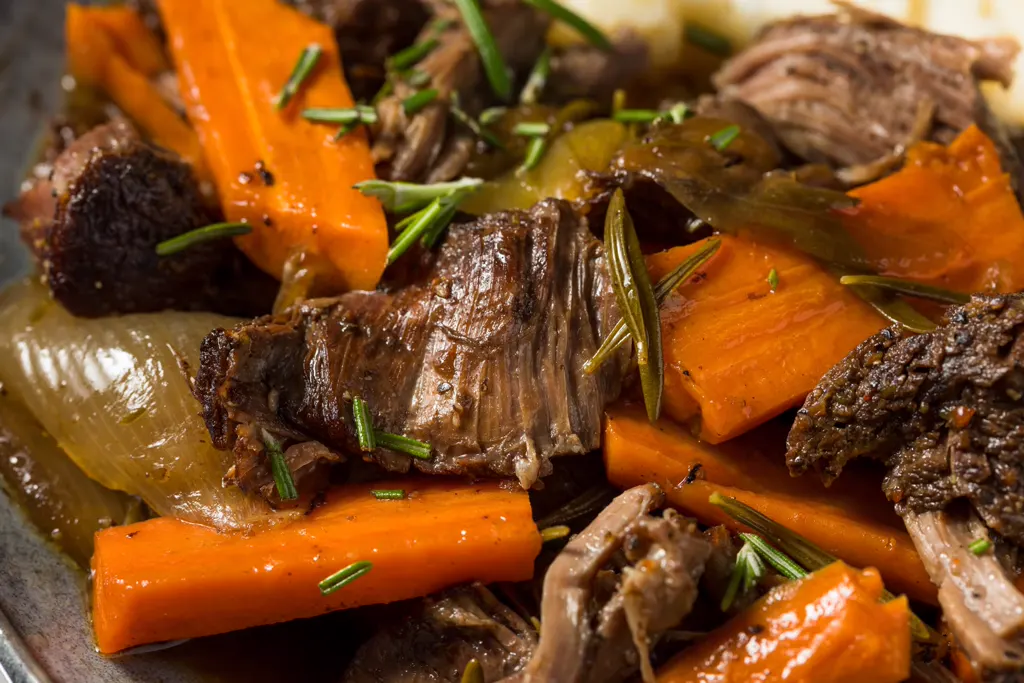
Braciole needs time to become tender, especially with top round. If the beef still feels chewy after 1 1/2 hours, let it simmer another 20 to 30 minutes and check again.
If the sauce is too thin

Take the lid off and let it simmer uncovered for 10 to 15 minutes.
The sauce will reduce and thicken naturally. I’d do that before adding anything like flour or cornstarch.
Make-Ahead and Freezing

You can absolutely assemble the braciole the night before.
Fill, roll, and secure the beef, then cover it tightly and refrigerate overnight. The next day, brown the rolls and continue with the sauce.
Cooked braciole freezes well too.
Let it cool completely, then freeze the rolls with plenty of sauce in an airtight container for up to 3 months. Thaw overnight in the fridge and reheat gently on the stovetop.
The extra sauce helps keep the beef from drying out.
Variations
Oven-Braised Braciole

If you’d rather use the oven, brown the rolls and build the sauce on the stovetop first.
Then cover the Dutch oven and braise at 325°F for about 1 1/2 to 2 hours, or until the beef turns tender.
I like this method because the oven gives you steady, even heat without much babysitting.
Sicilian-Style Filling

Add pine nuts and raisins to the breadcrumb mixture for a sweeter, more complex filling.
It’s a small change, but it gives the braciole a completely different personality.
Add Prosciutto

Lay a thin slice of prosciutto over the beef before adding the breadcrumb filling.
It adds another layer of salty, savory flavor and makes the center even richer.
What to Serve with Braciole
In many Italian Sunday dinners, the tomato sauce does double duty. For more ideas, browse our Italian beef recipes collection.
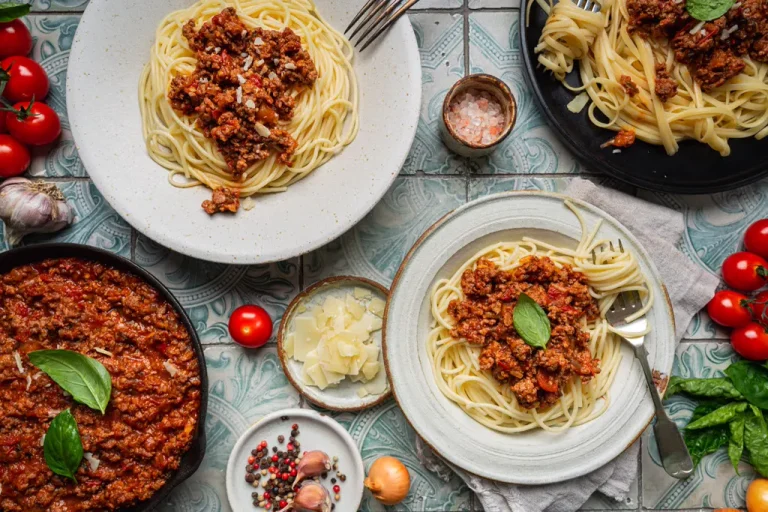
Toss pasta with the sauce and serve it as the first course. Then bring out the braciole as the second course with extra sauce spooned over the top.
I love that setup because nothing goes to waste, especially that rich tomato sauce.
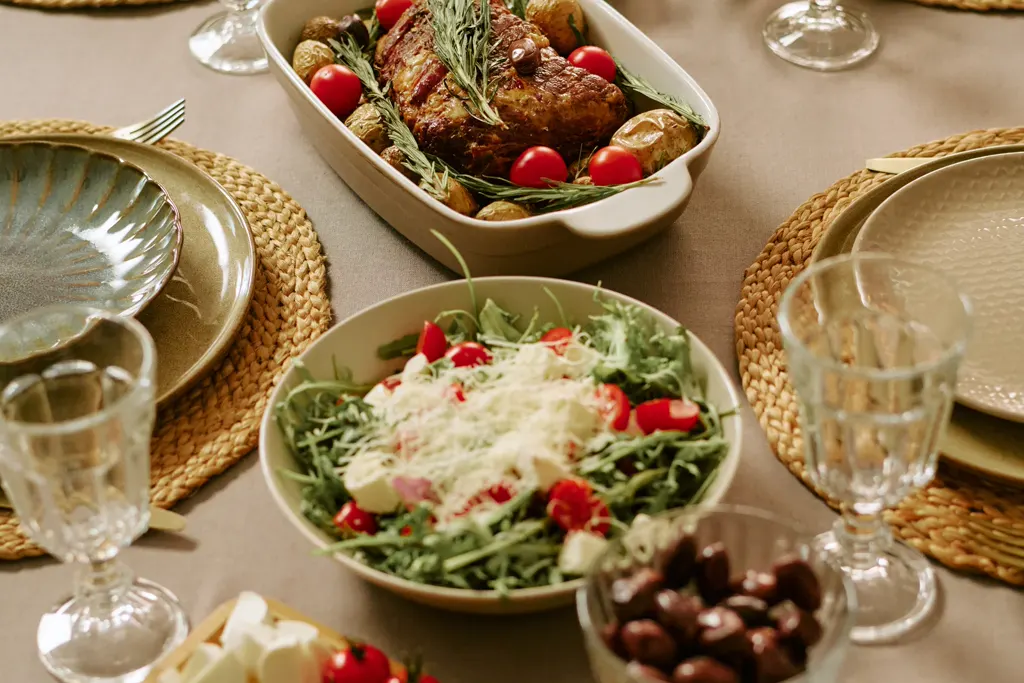
For sides, roasted vegetables, garlicky greens, or a simple salad all work well. And of course, crusty Italian bread is perfect for cleaning the plate.
Frequently Asked Questions
What cut of beef is best for braciole?
Top round is my first choice because it pounds thin, rolls easily, and gets tender with a long simmer. Flank steak can work too if you slice it across the grain. I’d avoid very tender steaks since braciole cooks low and slow.
Can I make braciole without kitchen twine?
Yes. Toothpicks work well, especially for smaller rolls. Just push them firmly through the seam so the beef stays closed while browning and simmering. I still prefer twine because it holds everything a little more evenly.
Why is my braciole tough?
It usually needs more time. Leaner cuts like top round soften slowly, so keep the sauce at a gentle simmer and let the beef cook longer. High heat won’t help. Patience will.
Can I make braciole ahead of time?
Yes. You can assemble the rolls a day ahead, refrigerate them, and brown them the next day. You can also cook the whole dish ahead and reheat it gently in the sauce. I actually think the flavor improves after a night in the fridge.
Can I freeze cooked braciole?
Absolutely. Freeze the cooked rolls with plenty of tomato sauce for up to 3 months. The sauce protects the beef and keeps it moist. Thaw overnight in the refrigerator, then reheat slowly on the stovetop.
What do Italians serve with braciole?
A classic Sunday meal often starts with pasta tossed in the same tomato sauce. The braciole comes next as the meat course. Roasted vegetables, greens, salad, and crusty bread all make great sides too.